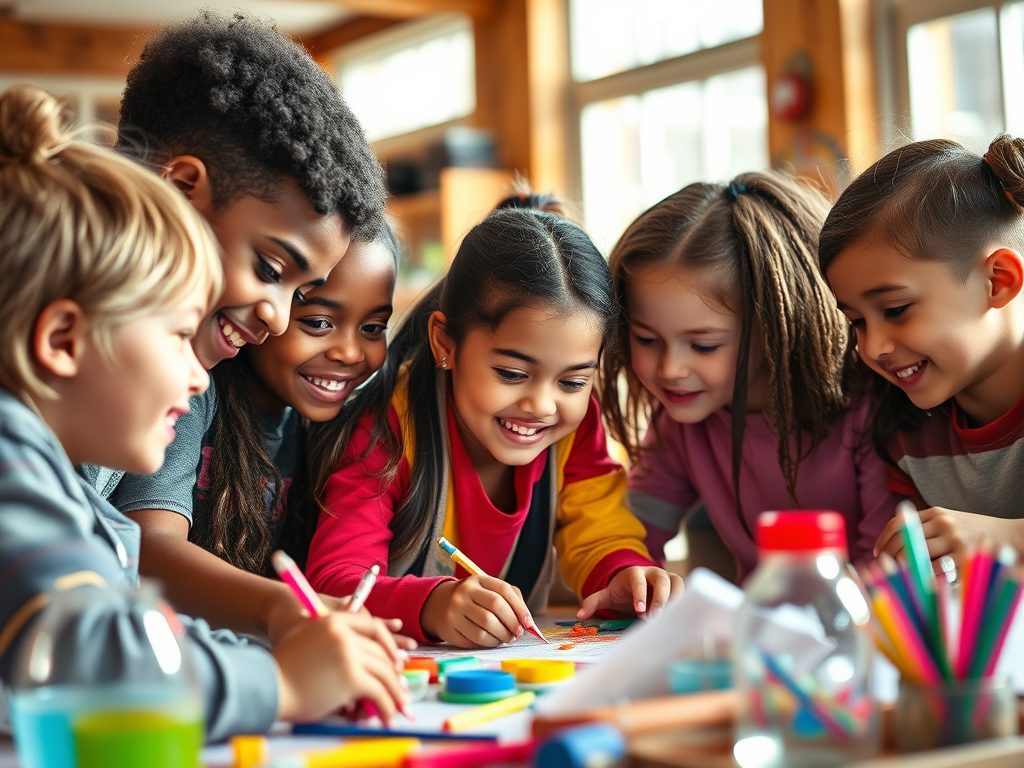
“Heritage is not about what we have inherited but what we pass on.” Edward Young
For many parents, finding the right extracurricular activity for their child can feel like an overwhelming task. While sports like football and track or academic tuitions are often the default choices, they may not appeal to every child’s personality, interests, or developmental needs. The search for activities that are both enriching and free can be daunting—especially for Black families who wish to foster a sense of culture, creativity, and empowerment within their children. The good news is that there are a wealth of lesser-known activities that promote growth, academic skills, and closer family bonds without a hefty price tag.
The Importance of Free and Enriching Activities
Extracurricular activities play a vital role in a child’s development, nurturing qualities such as discipline, creativity, and problem-solving. Beyond that, they offer mental, physical, and emotional benefits that can help children flourish. However, many popular options can be expensive especiallyin this economy, exclusive , or hyper-competitive, leaving parents searching for alternatives. Fortunately, there are free, accessible activities that allow children to develop valuable skills, connect with their heritage, and strengthen family bonds.Here are five affordable and skill-building activities, perfect for creating special memories and fostering well-being.
1. Fishing: Patience, Focus, and Tradition

Fishing is more than just casting a line into the water; it teaches patience, mindfulness, and an appreciation for nature. This simple yet engaging activity provides children with valuable lessons in sustainability, ecosystems, and wildlife. It requires focus and discipline, qualities that transfer into academic and personal achievements. Additionally, fishing offers an excellent opportunity for parent-child bonding, as it invites conversation, quiet reflection, and shared moments of celebration when a catch is made.For Black families, fishing can also serve as a way to connect with ancestral traditions. Historically, fishing sustained African and Caribbean communities, offering both a livelihood and a way to maintain harmony with nature. Sharing this pastime with children not only instills pride in their heritage but also provides a peaceful break from the fast-paced digital world.
2. Knitting: Creativity, Problem-Solving, and Cultural Heritage
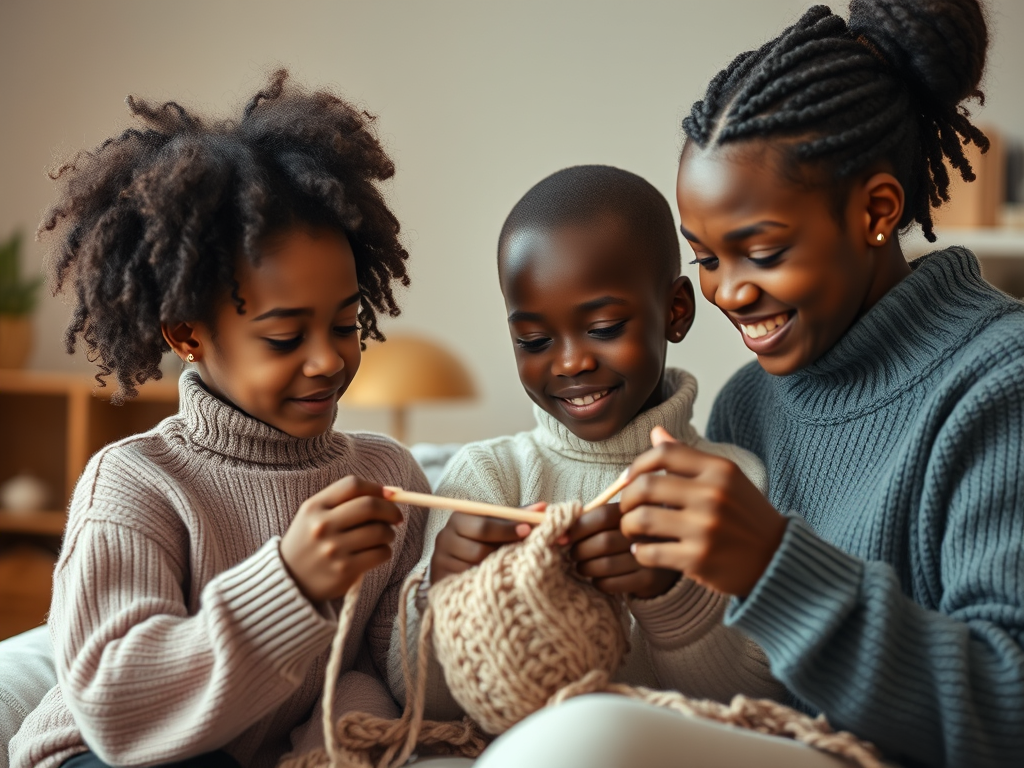
Knitting (one of my absolute favourite) may not seem like an obvious choice, but it’s an activity brimming with developmental benefits. It improves fine motor skills, concentration, and perseverance—qualities that are essential for academic success. Knitting also fosters creativity, helping children feel a sense of accomplishment as they complete their projects.More importantly, for Black families, knitting can offer a link to cultural history. Textile arts, such as knitting and weaving, were essential skills in many African societies, passed down through generations. Teaching children to knit or create textiles not only develops their cognitive and motor skills but also connects them to a rich tradition of craftsmanship and ingenuity.
3. Bike Riding: Physical Fitness and Independence

Bike riding is a classic childhood activity that builds both physical strength and self-confidence. It promotes cardiovascular health, strengthens muscles, and teaches children about responsibility and safety. Biking also provides children with a sense of independence as they learn to navigate their surroundings.For many Black families, especially in urban areas, biking can offer an affordable way to explore the local environment, discover parks, and feel more connected to their community. Riding as a family is also a wonderful way to encourage outdoor activity, bridging generational gaps and sharing in a fun, health-boosting experience.
4. Gardening: Nurturing Responsibility and Connection to Nature
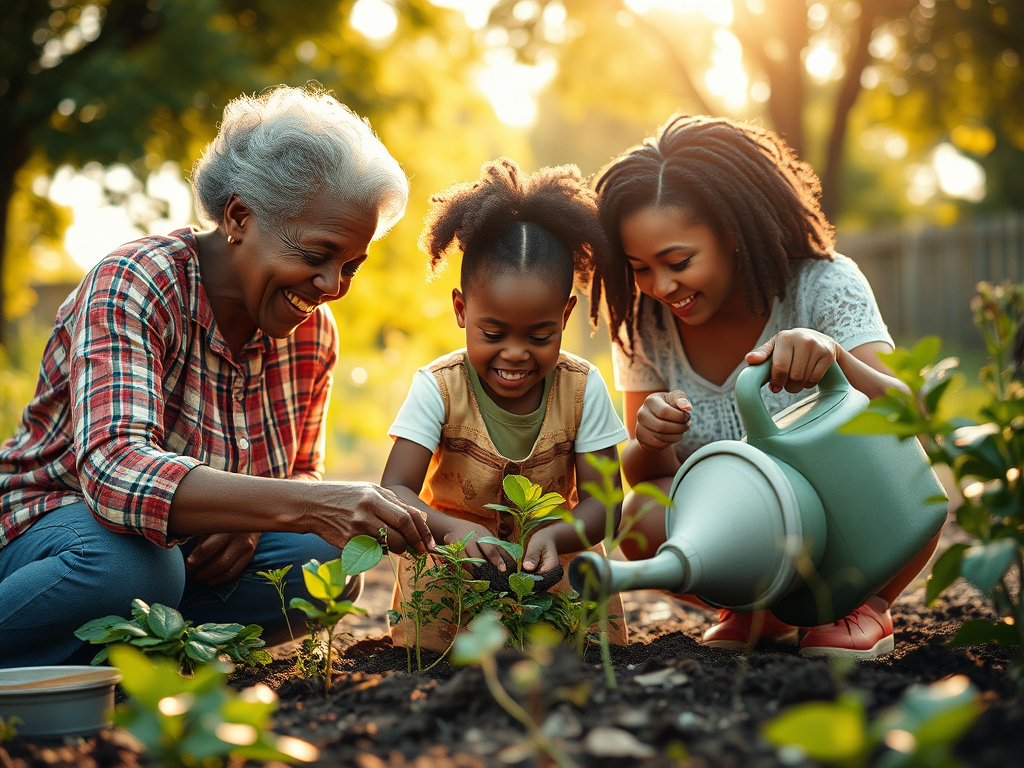
Gardening is another enriching activity that’s often overlooked. Whether you have access to a backyard, a community garden, or a few potted plants on the windowsill, gardening teaches children about responsibility, patience, and the life cycle of plants. Children develop an appreciation for nature, sustainability, and the rewards of hard work when they see the results of their efforts.For Black families, gardening also provides an opportunity to connect with ancestral agricultural traditions. Working with the land has deep roots in many African and Caribbean communities. Growing herbs, fruits, or vegetables can be a way to pass down family recipes and stories while encouraging healthy eating habits. Gardening becomes a shared experience that fosters learning and bonding while reconnecting children with the Earth.
5. Storytelling and Oral History: Building Communication Skills and Cultural Heritage

Storytelling is a powerful tool for fostering imagination, communication skills, and a deep connection to one’s cultural heritage. In African and Caribbean cultures, storytelling and oral histories were vital ways of preserving tradition, passing down wisdom, and connecting with community members. Encouraging children to engage in storytelling, whether by sharing personal experiences or recounting cultural folktales, helps build their confidence, creativity, and empathy.Parents and elders can share stories about their own lives, family histories, or cultural legends, giving children a strong sense of identity and cultural pride. This activity requires no materials—just a willingness to share stories and listen—and strengthens the bond between parents and children while teaching important lessons in empathy and imagination.
The Benefits of Free, Engaging Activities

Mental and Physical Well-Being: These activities offer significant mental health benefits, such as stress relief and emotional resilience, as well as physical health benefits. Engaging in activities like fishing, biking, and gardening provides a necessary break from screens and helps children reconnect with nature and their bodies.
Cultural Connection and Pride: Many of these activities are rooted in African and Caribbean traditions, offering children a chance to explore and embrace their heritage. Whether it’s the historical significance of knitting, the spiritual importance of gardening, or the storytelling traditions passed down through generations, these activities cultivate cultural pride and identity.
Parent-Child Bonding: Free activities such as fishing, gardening, and storytelling create special opportunities for family bonding. They allow parents and children to engage in meaningful conversations, share stories, and enjoy time away from the typical distractions of daily life. For Black families, these activities can also be a way to pass down cultural knowledge and values, fostering a deeper connection between generations.
Skill Development: While some of these activities may seem non-academic, they still promote crucial skills such as problem-solving, creativity, patience, and resilience—skills that will benefit children both in school and in life.
Conclusion: Think Outside the Box

Finding the right extracurricular activity for your child doesn’t need to be expensive or limited to the most popular options. By thinking outside the box and exploring activities like fishing, knitting, bike riding, gardening, and storytelling, parents can provide their children with experiences that foster personal growth, cultural pride, and lifelong memories. These free, skill-building activities offer much more than just fun—they’re opportunities to create lasting family bonds, build important life skills, and connect children with their heritage.


 Black Learners, Bright Futures
Leave a reply to The Mindful Migraine Blog Cancel reply