
Educational trauma is a silent but persistent issue in the Black community, deeply rooted in systemic racism and inequality. For generations, Black students have experienced discrimination, segregation, and exclusion in schools, leaving them with long-lasting emotional and psychological scars. This article explores the historical roots of educational trauma, its effects on individuals and families, and how schools can help break this cycle of pain and exclusion.
1. Historical Context: A Legacy of Inequality

The roots of educational trauma stretch back to the eras of slavery and colonialism, where Black individuals were systematically denied access to education. In the U.S., the Jim Crow laws enforced racial segregation in schools, while in the U.K., the arrival of the Windrush Generation exposed Caribbean immigrants to an education system riddled with bias and exclusion. These discriminatory practices were reinforced through policies like the 1896 Plessy v. Ferguson decision in the U.S., which legalized “separate but equal” education, and through the racist assumptions of British schools that placed Black students in lower academic tracks.While legal segregation may be a thing of the past, racial inequalities in education persist. In both the U.S. and U.K., Black students are disproportionately affected by school exclusions, lower academic expectations, and biased disciplinary actions. For example, Black Caribbean students in the U.K. are three times more likely to be excluded from school than their white peers. These statistics reveal the deep, ongoing impacts of systemic racism in education.
2. Impact on Individual Perception: Self-Worth and Psychological Trauma

Educational trauma impacts more than just academic performance—it affects how individuals perceive themselves and their place in society. Experiences of racial bias, low expectations from teachers, and exclusion from learning opportunities create a distorted sense of self-worth for many Black students. These negative experiences can lead to feelings of alienation, anxiety, depression, and even post-traumatic stress disorder (PTSD).Studies have found that Black students who experience racism and discrimination in school are more likely to develop long-term mental health issues. In the U.K., research by the British Psychological Society shows that racism in schools contributes significantly to mental health problems among Black children, leading to disengagement from education and, in some cases, early school drop-out.When Black students repeatedly face such challenges, it can be difficult for them to maintain faith in educational institutions. Over time, these experiences may lead to a lack of trust in schools, government institutions, and other structures of authority.
3. Impact on Parenting: The Cycle of Trauma

The trauma experienced in school can follow Black individuals into adulthood, influencing how they raise their children. Parents who have faced discrimination in their own educational experiences may be hyper-aware of the potential dangers their children face, often transmitting their fears and anxieties to the next generation. For instance, parents who experienced exclusion, harsh disciplinary actions, or racist treatment may be more likely to anticipate similar struggles for their children, leading to feelings of mistrust towards teachers and schools. This trauma can shape how parents interact with the education system, sometimes discouraging them from engaging fully with their child’s learning or advocating for necessary resources and support.The cycle of trauma is difficult to break. Without intervention, it can pass down through generations, as children absorb their parents’ fears and develop their own negative associations with school.
4. The Role of Schools in Healing: Fostering Inclusive Environments

Despite these challenges, schools have the potential to be places of healing, where educational trauma is addressed and resilience is fostered. By creating inclusive, culturally responsive environments, schools can disrupt the cycle of trauma and promote a sense of belonging for Black students.Some strategies for addressing educational trauma include:
– Culturally Responsive Curriculum: Schools can introduce materials that reflect the histories and contributions of Black communities, which helps foster pride and engagement among students. Research has shown that students who see themselves reflected positively in the curriculum are more likely to be engaged and motivated.
– Teacher Training in Anti-Racism: Schools must train teachers to recognize and address their own biases. Anti-racist training equips educators with the tools to support Black students better and ensure that disciplinary policies are applied fairly.
– Mental Health Support Services: Schools should offer counseling and psychological services that are culturally competent, recognizing the unique challenges faced by Black students. This support can help mitigate the effects of educational trauma and build resilience.
5. Addressing Fear for Children: Practical Steps for Parents
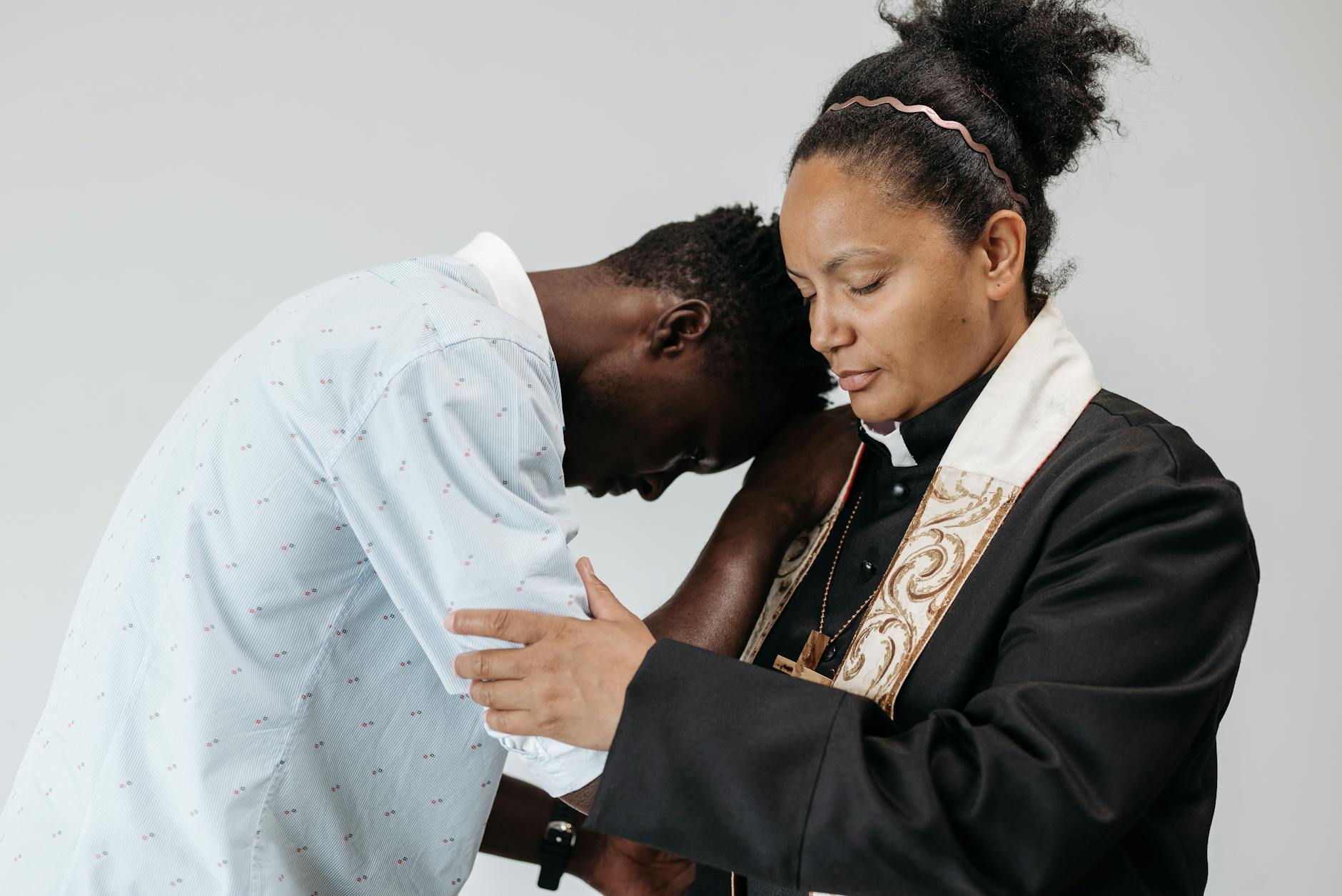
For parents worried about their children’s experiences in school, there are several strategies to address these concerns and break the cycle of trauma:
– Open Communication: Creating an environment where children feel safe to discuss their experiences with race and school is crucial. Encouraging them to talk openly about their challenges can help them process their feelings and develop emotional resilience.
– Advocacy: Parents must advocate for their children’s needs by engaging with teachers, school administrators, and local education authorities. This involves voicing concerns about racial bias or inequality and pushing for fair treatment.
– Community Support: Forming connections with other parents, particularly through support groups or advocacy organizations, can create a network of collective action. Community involvement often amplifies parental voices and can lead to more systemic changes within schools.
Conclusion: Breaking the Chains of Educational Trauma
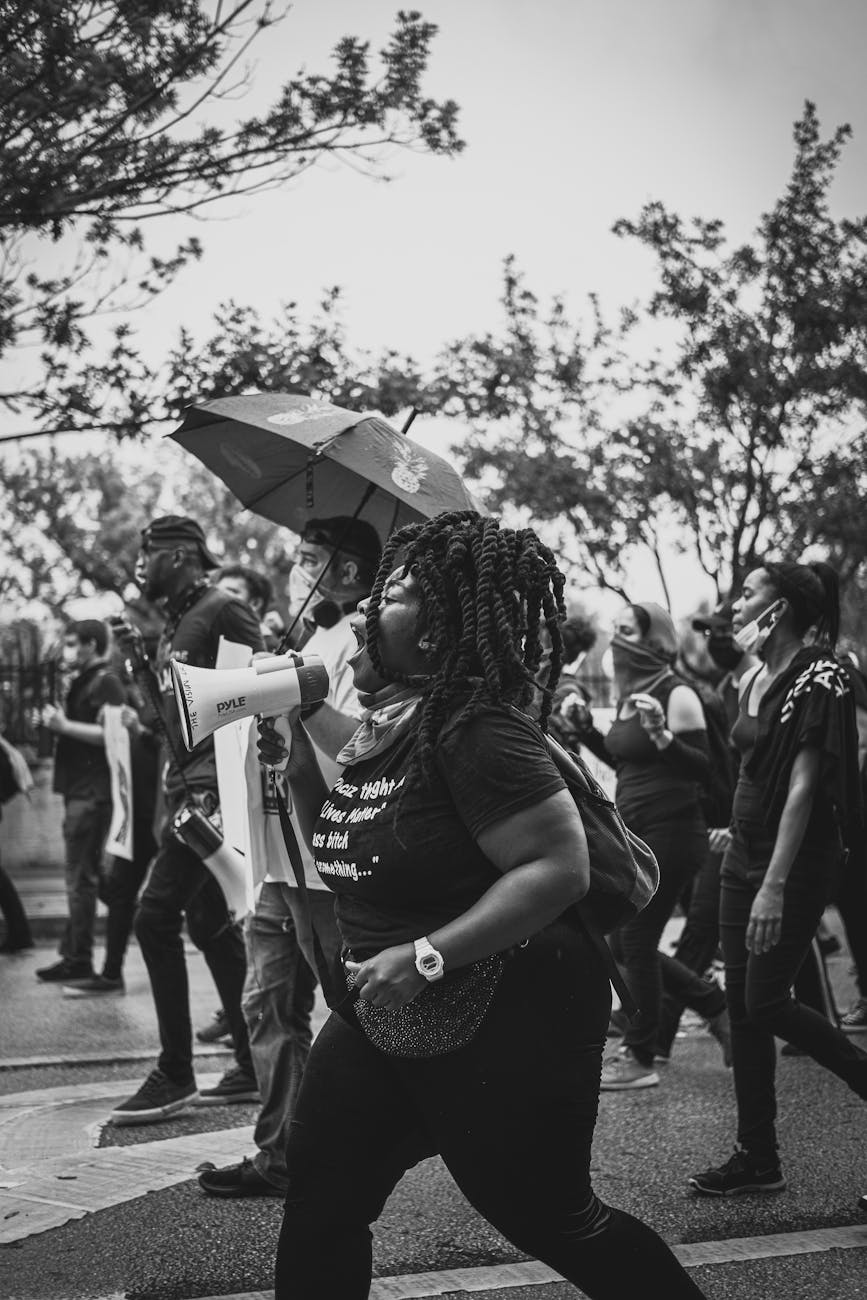
Addressing educational trauma in the Black community is a matter of urgency. The scars left by systemic racism in schools run deep, impacting not only individual students but entire families and communities. However, by fostering inclusive environments, supporting mental health, and advocating for systemic change, schools can play a key role in breaking this cycle of trauma.Parents, educators, and policymakers must work together to ensure that Black students receive an education that honors their potential and treats them with dignity. With collective effort, we can create an equitable educational landscape where future generations of Black students can thrive without the burdens of the past.
Useful Resources for Parents and Communities
1. The Black Caribbean Achievement Programme (BCAP) – U.K.
BCAP is a government initiative focused on improving academic outcomes for Black Caribbean students through community and parental involvement, as well as addressing racial bias in schools. More information on similar programs can be found through local educational authorities.
2. The Runnymede Trust – U.K.
A leading race equality think tank in the U.K., the Runnymede Trust provides research and resources on racial inequalities in education. Their work includes advocacy for an inclusive curriculum and policy reform. – Website: https://www.runnymedetrust.org
3. The Ubuntu Programme – South Africa
Although based in South Africa, the Ubuntu Programme is a global example of a trauma-informed approach to education, focused on healing and reconciliation. This initiative offers insights into how schools can be places of resilience and support.
4. Black Parent Support Group (BPSG) – U.K.
BPSG offers workshops and resources to help Black parents navigate the U.K. education system, advocate for their children, and support their emotional well-being. – Website: https://bpsg.org.uk
5. The African-Caribbean Education Network (ACEN) – U.K.
ACEN works to promote the educational success of Black students through advocacy, mentorship, and parental engagement. Their resources for parents provide strategies to combat racial bias in schools. – Website: https://www.acen.org.uk
These resources offer valuable support for parents seeking to address educational trauma and advocate for a more inclusive and just education system for their children.
 Black Learners, Bright Futures
Leave a comment