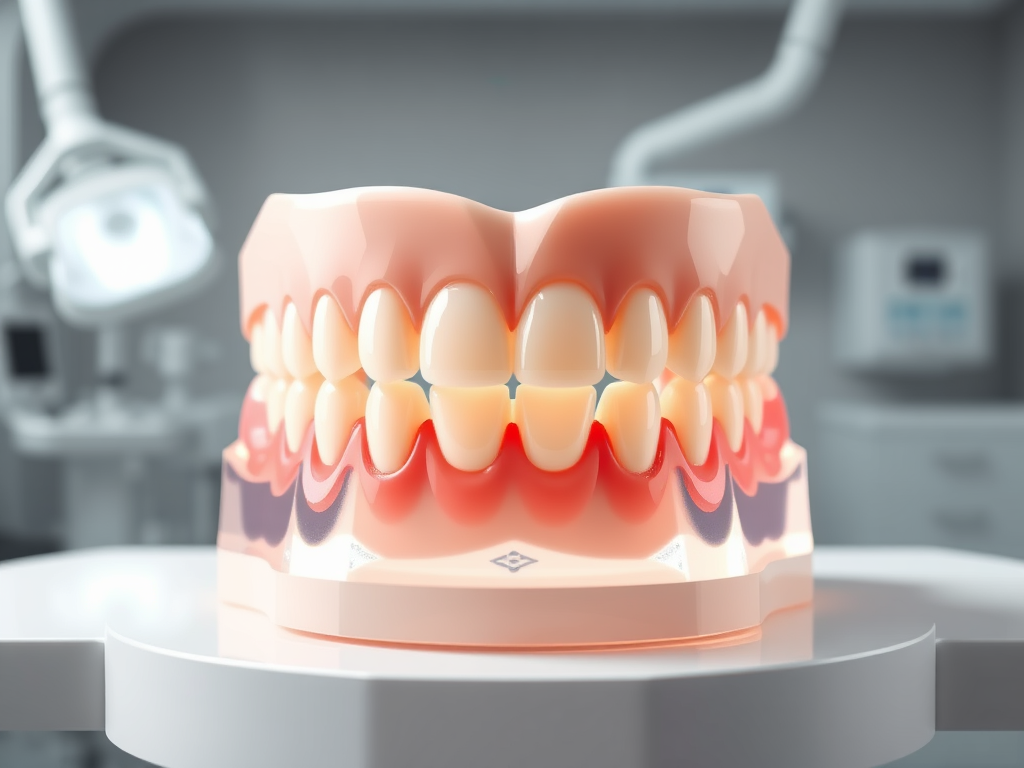
Children’s dental health is one of the most crucial aspects of their overall well-being, yet it is often overlooked until issues arise. From the moment your child’s first tooth appears, their dental care should begin. Proper dental hygiene practices and regular visits to the dentist play a key role in preventing future problems such as tooth decay and infections. This article explores the development of children’s teeth, the importance of maintaining good oral hygiene, and how parents can foster positive attitudes toward dental care.
The Development of Children’s Teeth

Teeth begin to develop in the womb, but they are not visible at birth. Typically, babies begin to sprout their first teeth around six months of age, starting with the lower central incisors. By the age of three, most children will have a full set of 20 primary teeth (baby teeth), which will eventually fall out to make way for their permanent teeth.
Permanent teeth usually begin to emerge around the age of six, marking a significant milestone in a child’s dental development, and by the age of 12, children will have a full set of adult teeth, minus the wisdom teeth, which typically come in during the late teenage years, usually between the ages of 17 and 21. This transition from baby teeth to permanent teeth is not just about aesthetics; the development of these teeth is crucial for a child’s ability to chew properly, speak clearly, and maintain good overall health. Proper alignment and spacing of these teeth play a vital role in digestion and nutrition, as well as in building confidence through a healthy smile. Regular dental check-ups during this period are essential to monitor the growth of these teeth, ensuring that any potential issues such as overcrowding or alignment problems can be addressed promptly, thereby fostering a lifetime of dental health and well-being.
The Importance of Oral Hygiene

Oral hygiene is essential in the prevention of dental issues like cavities, gum disease, and infections. For babies and toddlers, gentle cleaning with a soft, damp cloth is sufficient until they are old enough to use a toothbrush. Once teeth start to appear, parents should use a child-sized toothbrush with a small amount of fluoride toothpaste to brush their teeth twice a day. For older children, it’s important to encourage brushing for at least two minutes, twice a day, and to ensure they brush all surfaces of their teeth. The use of fluoride toothpaste is highly recommended, as fluoride helps to protect teeth from decay. Parents should also teach their children how to floss once they have more than one tooth in a row.In addition to brushing and flossing, limiting sugary snacks and drinks is key to maintaining healthy teeth. Sugary foods and beverages can contribute to the development of plaque and cavities, which are a leading cause of tooth decay. Encouraging children to drink plenty of water, especially after meals, helps wash away food particles and acids that can harm their teeth.
The Role of Regular Dentist Visits

Regular dentist visits are vital for ensuring your child’s teeth and gums are healthy. The National Health Service (NHS) in the UK recommends that children visit the dentist as soon as their first tooth appears or by their first birthday, whichever comes first. After that, children should visit the dentist regularly, usually once a year, or more often if recommended by their dentist.
Dentists can detect early signs of tooth decay or other issues before they become serious, and they can provide valuable guidance on maintaining healthy teeth. Dental check-ups also offer an opportunity for your child to become familiar with the dentist’s office and feel comfortable during appointments. This familiarity can help reduce anxiety about dental visits as they grow older.
For children who may need further care, such as fillings or orthodontic treatment, visiting the dentist regularly ensures that issues are caught early and treated effectively. Preventive treatments, such as fluoride varnishes or dental sealants, can help protect teeth from decay, especially for children who may be prone to cavities.
Preventing Decay and Infection

The main causes of tooth decay are the bacteria in the mouth that feed on sugars in food and drink. Over time, these bacteria produce acids that can erode tooth enamel and lead to cavities. Infection can also occur if cavities are left untreated, leading to more severe problems such as abscesses or tooth loss.
By instilling proper oral hygiene habits early on, parents can prevent decay and infections that can lead to more serious health issues down the line. Encouraging a healthy diet filled with vitamins and minerals, along with regular brushing and flossing, sets the foundation for lifelong dental health. It’s essential for parents to teach their children the importance of avoiding sugary snacks and beverages, as these can contribute to the formation of cavities. Additionally, scheduling regular dentist visits for check-ups and cleanings plays a crucial role in monitoring and maintaining their dental health, ensuring that any potential problems are addressed before they escalate. If your child does develop a cavity or another dental issue, seeking treatment promptly is important to avoid complications that could arise, such as pain or the need for more invasive treatments later on. In this way, proactive measures taken by parents not only safeguard their child’s teeth but also promote a sense of responsibility and awareness about their overall health and self-care.
Resources and Support for Parents

For UK parents, several resources are available to support children’s dental health:
1. NHS Dental Services
• The NHS provides a wealth of information on how to care for your child’s teeth, including when to start brushing, what kind of toothpaste to use, and how to get NHS dental treatment.
• Website: NHS Dental Care for Children
2. The British Dental Association (BDA)
• The BDA offers a range of resources to help parents understand the importance of dental care and how to promote oral hygiene in their children.
• Website: British Dental Association
3. Tooth Brushing App (NHS)
• The NHS has an interactive app to help children learn how to brush their teeth correctly and maintain good habits.
• Website: NHS Tooth Brushing App
4. National Smile Month
• An initiative to raise awareness about the importance of oral health. It provides valuable tips on how to care for your child’s teeth and prevent decay.
• Website: National Smile Month
Preparing Your Child for Dental Responsibility

As children grow, it’s important to encourage them to take responsibility for their oral health. Begin by making dental care fun and rewarding, such as allowing them to choose their toothbrush or toothpaste. Positive reinforcement, like praise or a reward system, can motivate children to maintain their brushing routine.
Additionally, it is crucial to reassure children that dental visits are not something to fear. Talking to your child about the dentist in a positive light can help alleviate anxiety. Explain that visiting the dentist is a preventive measure to keep their teeth healthy and that the dentist is there to help them maintain a beautiful smile. You might consider reading books or watching videos about dental visits to help normalise the experience.
By teaching children the importance of oral hygiene and making dental visits a regular part of their routine, you are setting them up for a lifetime of good dental health. With your support and guidance, your child will not only learn to take care of their teeth but will also grow up understanding the value of preventive care in maintaining a healthy smile.
Opening the Conversation About Dental Health
As parents, our role is to guide children towards making dental health a part of their everyday lives. This involves not only promoting proper brushing and flossing habits but also making dentist visits a regular and positive experience. By encouraging responsibility and educating our children on the benefits of preventive care, we can ensure that they grow up with the knowledge and confidence to take care of their teeth independently.
Let’s start the conversation today: How can we better prepare our children for taking responsibility for their dental health? Share your thoughts and experiences with other parents to foster a community of support and learning. Together, we can give our children the gift of healthy, happy smiles for years to come.
 Black Learners, Bright Futures
Leave a comment