
In today’s increasingly competitive educational environment, understanding and supporting diverse learning styles has become essential for both parents and educators. The British curriculum, while designed to cater to a broad range of educational needs, can present challenges for pupils with different learning preferences. As parents, recognising these differences and advocating for effective strategies can significantly enhance our children’s learning experiences and outcomes.
Recognising Different Learning Styles
Learning styles refer to the preferred ways in which individuals absorb, process, and retain information. While there are various models, one popular categorisation is VARK, which includes Visual, Auditory, Reading/Writing, and Kinesthetic learners.
• Visual Learners

Characteristics:
– Visual learners thrive on diagrams, charts, and visual aids. They often find it easier to remember information presented visually.
Challenges:
– In a traditional classroom, where instruction is primarily verbal, visual learners may struggle to grasp concepts. For instance, a lesson on the water cycle that relies heavily on lecture-based teaching may leave visual learners at a disadvantage.
Support Strategies:
– Encourage the use of mind maps or diagrams to illustrate concepts.
– Provide resources like videos or infographics that complement textual information. The BBC Bitesize website is a great source of engaging material we used at home as it’s aligned with the curriculum, I have already covered this topic here.
– Suggest teachers incorporate visual aids into their lessons.
• Auditory Learners

Characteristics:
– Auditory learners prefer to hear information and often excel in discussions and verbal instructions.
Challenges:
– These pupils may find it difficult to engage with written texts or visual presentations that do not incorporate sound. For example, they might struggle during silent reading sessions or when faced with long written assignments.
Support Strategies:
– Encourage your child to read aloud or we personally use audiobooks as they can provide an immersive experience, and help auditory learners to better understand the material.
– Suggest participating in study groups where discussions can enhance understanding.
– Promote the use of recordings during lessons or study sessions.
• Reading/Writing Learners

Characteristics:
– This group excels when information is presented in written form, favouring essays, reports, and written instructions.
Challenges:
– Reading/writing learners might struggle with hands-on activities or lessons that involve minimal text. A science experiment conducted with limited written instructions can confuse these learners.
Support Strategies:
– Provide opportunities for your child to write summaries or reflections on what they’ve learned.
– Encourage them to keep a learning journal to articulate their thoughts. In primary school, I bought the “Usborne writing box” to help my son understand how to plan a story, setting the scene or create characters and write his own stories.
– Advocate for more written resources from teachers to support practical lessons.
• Kinesthetic Learners

Characteristics:
– Kinesthetic learners are hands-on and learn best through physical activities and experimentation.
Challenges:
– Pupils in this category often find traditional classroom settings restrictive, leading to disengagement. For example, a history lesson that involves only lecture-based learning may fail to engage a kinesthetic learner.
Support Strategies:
– Encourage participation in practical activities or field trips that relate to the curriculum.
– Suggest using models or simulations to understand complex concepts. To explore this learning style, I use games for example : when they learned fractions I used “Rainbow Fractions Dominoes” from Learning Resources game.
– Advocate for more interactive classroom experiences, such as group projects or experiments.
• Helping Your Child Succeed in a Competitive Environment
As parents, fostering an environment that acknowledges and supports your child’s learning preferences can lead to significant academic improvement and self-confidence. Here are some practical tips:
1. Communicate with Educators

Maintain an open dialogue with your child’s teachers. Discuss your child’s learning style and any challenges they face. This can help educators tailor their approach and incorporate diverse teaching strategies.
2. Create a Supportive Home Environment

Encourage a home study space that accommodates various learning activities. This could include:
– A quiet area with access to books and writing materials for reading/writing learners.
– Resources like educational videos or podcasts for auditory learners.
– Space for hands-on projects for kinesthetic learners.
3. Emphasise the Importance of Self-Advocacy
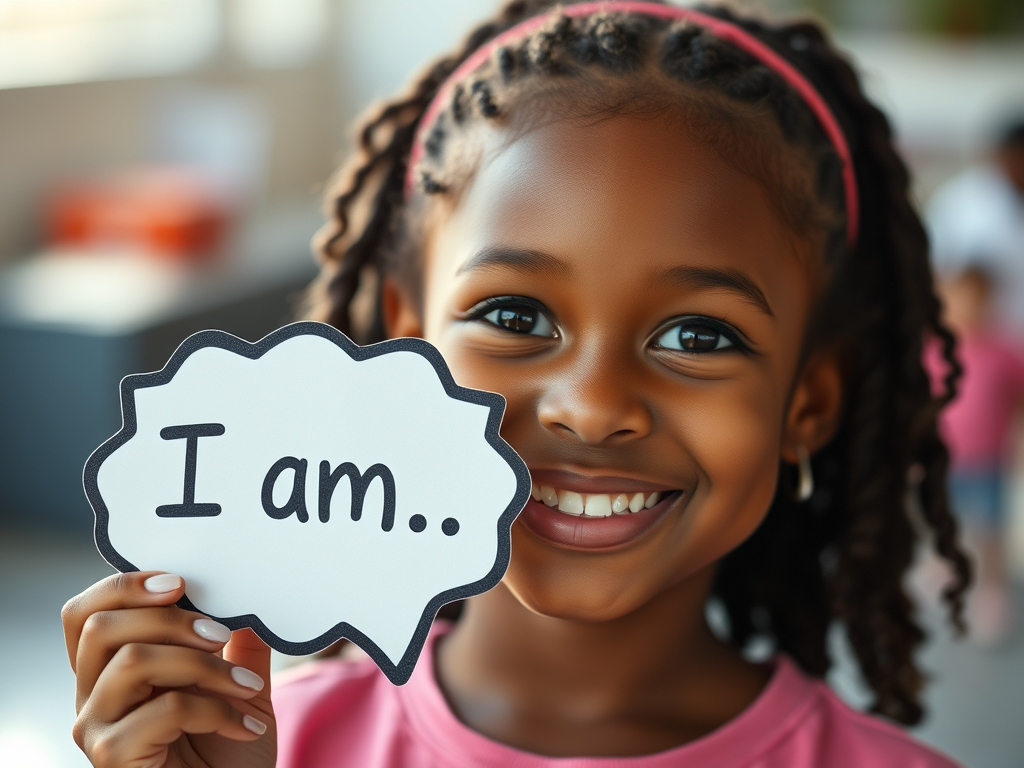
Teach your child to communicate their needs. Encourage them to express when they find a particular teaching method unhelpful, enabling them to seek alternative resources or support.
4. Promote Diverse Learning Activities

Engage your child in activities that cater to their learning style while also exposing them to different methods. For instance, combine reading a book with creating a related project or video.
5. Foster Resilience and Growth Mindset

Encourage your child to view challenges as opportunities for growth. Celebrate their successes, no matter how small, and discuss setbacks as learning experiences rather than failures.
Conclusion
Supporting diverse learning styles within the British curriculum is essential for helping children succeed in an increasingly competitive academic landscape. By recognising and accommodating different learning preferences, parents can play a pivotal role in their children’s education. Through effective communication, creating supportive environments, and fostering resilience, parents can empower their children to thrive academically and personally. In doing so, we not only help our children achieve their potential but also prepare them for future challenges in their educational journeys.
 Black Learners, Bright Futures
Leave a reply to Top 6 Tests to Identify Your Child’s Learning Style – Black Learners, Bright Futures Cancel reply