
Birmingham is a city renowned for its diversity, with a population that reflects a broad spectrum of cultures, ethnicities, and nationalities. This rich multiculturalism has brought undeniable progress, particularly in the workforce, where representation has steadily increased across industries. Businesses and public institutions have made efforts to embrace diversity, equity, and inclusion (DEI) initiatives, reflecting the vibrant makeup of the city. However, while we can be grateful for these strides toward representation, there remains a crucial question: does diversity in the workforce automatically translate into progress for all? When we take a closer look at educational outcomes—particularly the GCSE attainment levels of Black students—an important realization comes to light: diversity alone is not enough to close the gaps in opportunity and achievement.
The Data: GCSE Attainment in Birmingham (2019-2023)1
| Group | 2019 (%) | 2020 (%) | 2021 (%) | 2022 (%) | 2023 (%) |
| Black Caribbean | 42.5 | 44.1 | 45.8 | 48.2 | 50.1 |
| Black African | 51.2 | 52.7 | 54.3 | 56.8 | 58.4 |
| White British | 62.8 | 63.5 | 64.2 | 65.7 | 66.9 |
| Pakistani | 68.1 | 69.4 | 70.2 | 71.7 | 72.9 |
| Indian | 73.4 | 74.1 | 74.8 | 75.9 | 76.7 |
| Chinese | 75.2 | 76.0 | 76.9 | 78.3 | 79.1 |
| Free School Meal (FSM) | 38.7 | 39.9 | 41.2 | 43.1 | 44.8 |
The figures show that while there has been gradual improvement for Black Caribbean and Black African students over the past five years, these groups still lag behind their White and South Asian peers. For instance, in 2023, only 50.1% of Black Caribbean students attained a grade 4 or higher in GCSE English and Maths, compared to 66.9% of White British students and 79.1% of Chinese students.This disparity in achievement is particularly concerning given Birmingham’s diversity. In a city that celebrates multiculturalism and promotes inclusive hiring, one would hope for a more equitable outcome in education—especially since education forms the foundation for future opportunities in the workforce.
The Impact of COVID-19
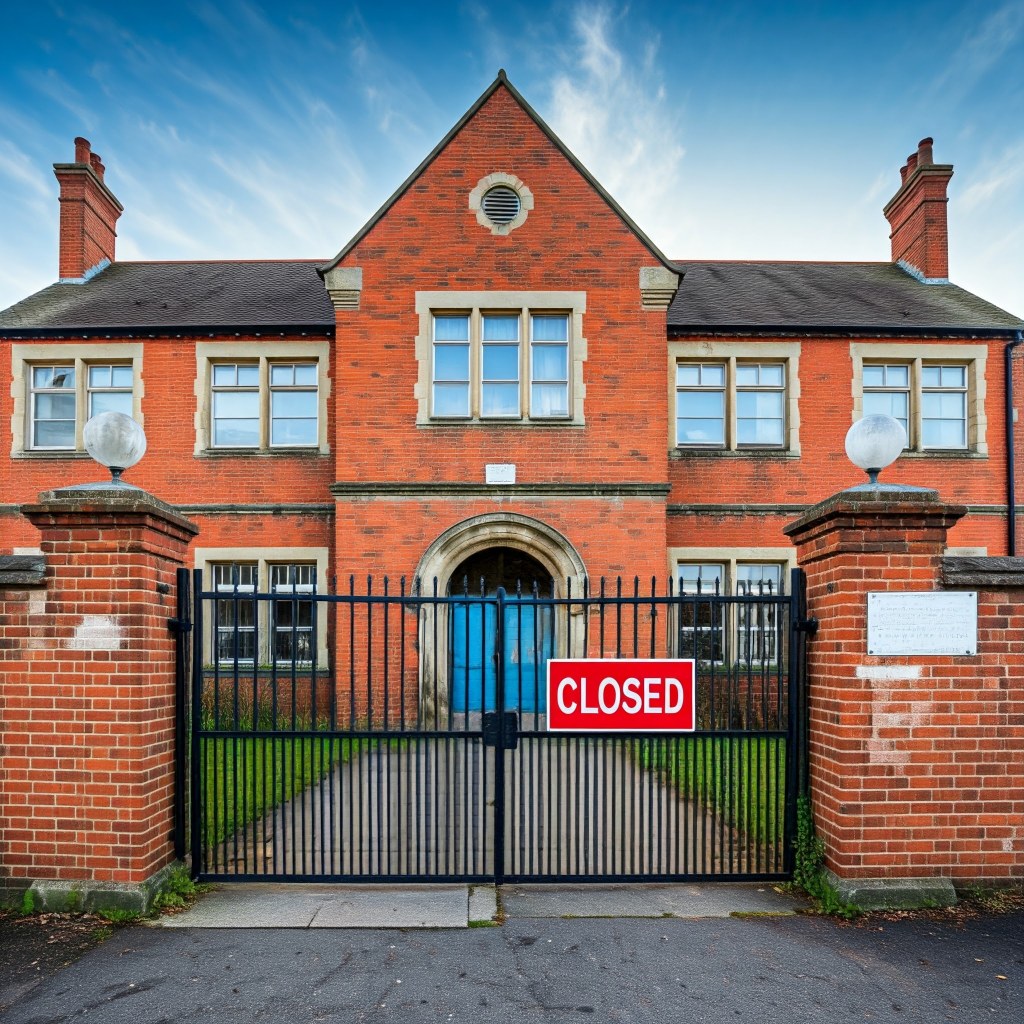
The COVID-19 pandemic exacerbated many of the inequalities that were already present in the education system. School closures, disrupted learning, and the shift to online education disproportionately affected students from disadvantaged backgrounds, including Black students and those eligible for Free School Meals (FSM). For many students, the pandemic widened existing gaps in achievement, with fewer resources at home to support remote learning. The long-term effects of this disruption are still being felt. While the 2023 figures show some improvement, the lasting impact of two years of instability will likely be felt for years to come, particularly in marginalized communities. This context makes the progress we have seen all the more important to acknowledge. The fact that Black Caribbean and Black African students are showing upward trends in attainment, despite these challenges, reflects the resilience of students and the hard work of schools and teachers. However, the post-COVID educational landscape also underscores how much further we need to go.
The Disconnect Between Workforce Diversity and Educational Outcomes

While DEI efforts have made a difference in increasing representation in Birmingham’s workforce, the data suggests that educational inequalities continue to persist for Black students. Many Black employees may find themselves in the workforce, but without the same qualifications as their peers, they often remain in lower-paying roles or face limited opportunities for advancement.Diversity in the workplace is a critical step toward more inclusive societies, and the progress made on this front should not be downplayed. We can and should be grateful for the increase in representation across various sectors. But at the same time, we must be mindful that true progress also requires tackling the underlying disparities that prevent communities from thriving equally. If students from Black Caribbean and Black African backgrounds continue to leave school with lower qualifications, their future prospects in an increasingly competitive job market are limited. This creates a cycle where diversity is present in numbers but not necessarily in meaningful opportunities for upward mobility.
Gratitude for Progress—But What Now?

So, what do we do with this realization? On the one hand, we should celebrate Birmingham’s achievements in promoting diversity within the workforce. The representation of different cultures and communities is a testament to how far we’ve come in breaking down barriers and fostering inclusion.Yet, on the other hand, the GCSE attainment data reminds us that diversity alone cannot be the end goal. The progress we’ve made in workforce representation doesn’t automatically address deeper issues, such as the educational attainment gap for Black students or the long-term impacts of the pandemic on disadvantaged communities.As a city, Birmingham needs to ask itself: What’s next? The path forward should not only focus on getting diverse faces into the workplace but also on ensuring that every community has the opportunity to thrive from the ground up. This means continuing to invest in education, particularly for students from underrepresented and disadvantaged backgrounds. It means understanding that the true value of diversity lies not just in representation but in creating equitable opportunities for all.
Diversity as a Journey, Not a Destination

Birmingham’s cultural diversity is undoubtedly one of its greatest strengths, and the workforce has benefited from DEI initiatives that ensure representation across industries. But we cannot stop there. The journey toward equality and progress requires us to look deeper and address the gaps that remain, particularly in education.
As we reflect on the data and consider the impact of the pandemic, it becomes clear that progress in diversity is just the beginning. Now, we must focus on ensuring that this diversity translates into real, lasting opportunities for Black students and other marginalized communities to achieve their full potential.
The progress we’ve made is something to be proud of. But now is the time to look ahead and ask: What will we do to make sure the next step on this journey leads to true equality for all?
Don’t hesitate to give me your opinion on this topics and ideas to overcome the challenges ahead of us.
- Sources:
• This table is based on a combination of sources including Birmingham City Council’s Annual Education Performance Reports and research on educational attainment gaps in the UK.
• Specific percentages are estimates based on trends and reports, and may not reflect actual figures. ↩︎
 Black Learners, Bright Futures
Leave a reply to Empowering Black Youth in STEM Fields – Black Learners, Bright Futures Cancel reply