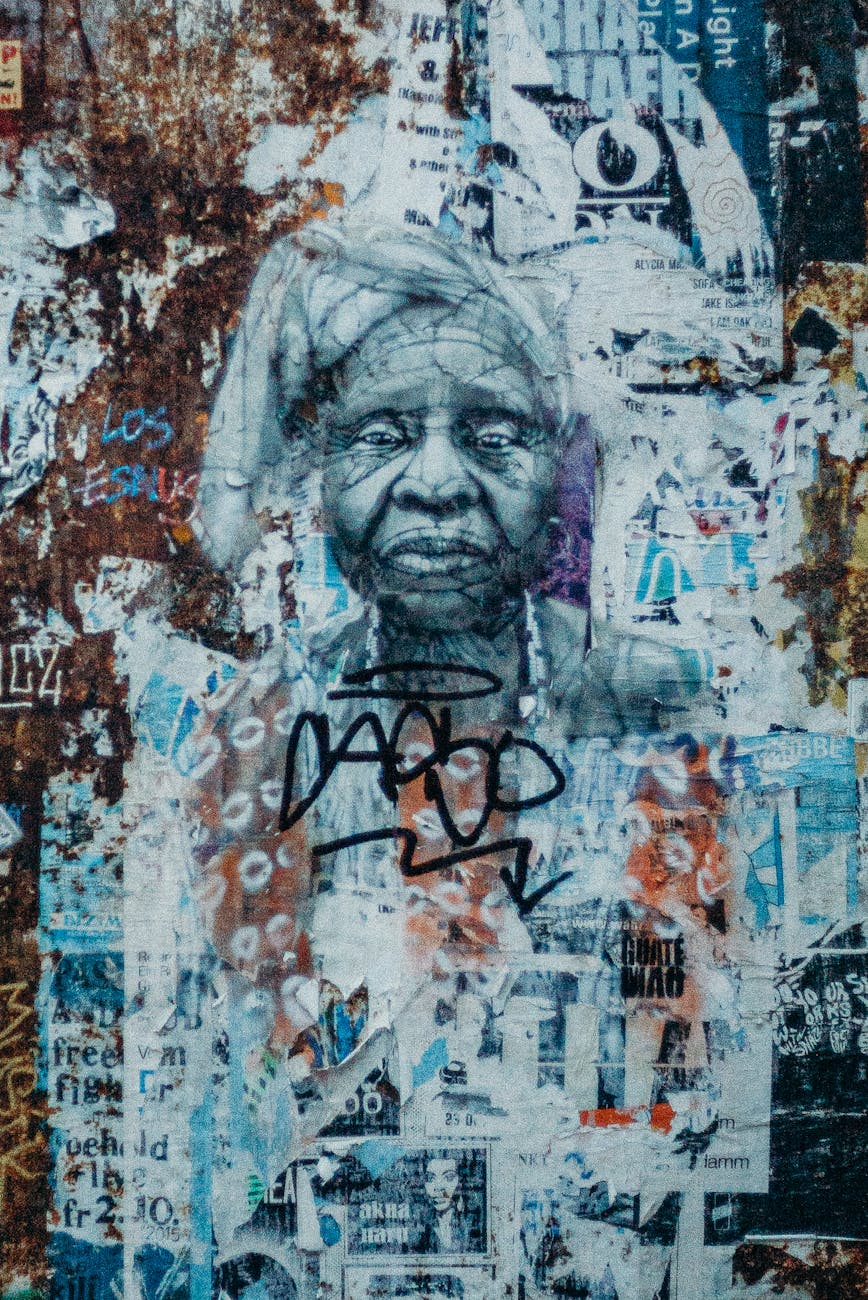
Every October, the UK observes Black History Month, a time dedicated to celebrating the contributions and achievements of Black people throughout British history and beyond. While Black history deserves recognition every day of the year, this month offers a focused opportunity for people to engage with the rich cultural heritage, struggles, and triumphs of the African and Caribbean communities that have helped shape the nation. Black History Month is more than a commemoration—it is a call to acknowledge our shared past and inspire collective progress toward a more equitable future.
The Origins of Black History Month in the UK
Black History Month was first celebrated in the UK in 1987, spearheaded by Ghanaian-born Akyaaba Addai-Sebo. At the time, Addai-Sebo was a special projects officer at the Greater London Council. He was inspired by the success of Black History Month in the US, which began in 1926, originally as Negro History Week by Dr. Carter G. Woodson. In launching Black History Month in the UK, Addai-Sebo wanted to ensure that Black Britons, especially children, had a positive cultural identity and a sense of pride in their heritage. Since its inception, Black History Month in the UK has grown into a national observance, celebrated in schools, museums, libraries, and communities across the country. It provides a platform to acknowledge the achievements of Black Britons, many of whom have been overlooked in traditional historical narratives. From the Windrush Generation to contemporary activists, Black history is deeply intertwined with the history of Britain itself.
Acknowledging Progress: Milestones and Impact
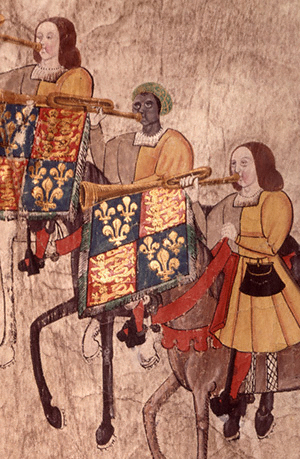
Over the years, the recognition of Black contributions to British society has steadily grown. In schools, there is increasing emphasis on diversifying the curriculum to include Black British history, ensuring that students learn not only about American civil rights icons but also about pioneers such as Mary Seacole, the Crimean War nurse, and John Blanke, a Black trumpeter in Henry VIII’s court. In recent years, cultural institutions like the British Library, the Tate, and the BBC have dedicated more resources to promoting Black history, showcasing exhibitions, films, and performances that center the Black British experience. This represents important progress, though there is still work to be done in addressing systemic inequalities and ensuring that Black history is recognized as integral to British history, not just a footnote.
Celebrating Our History: More Than a Month
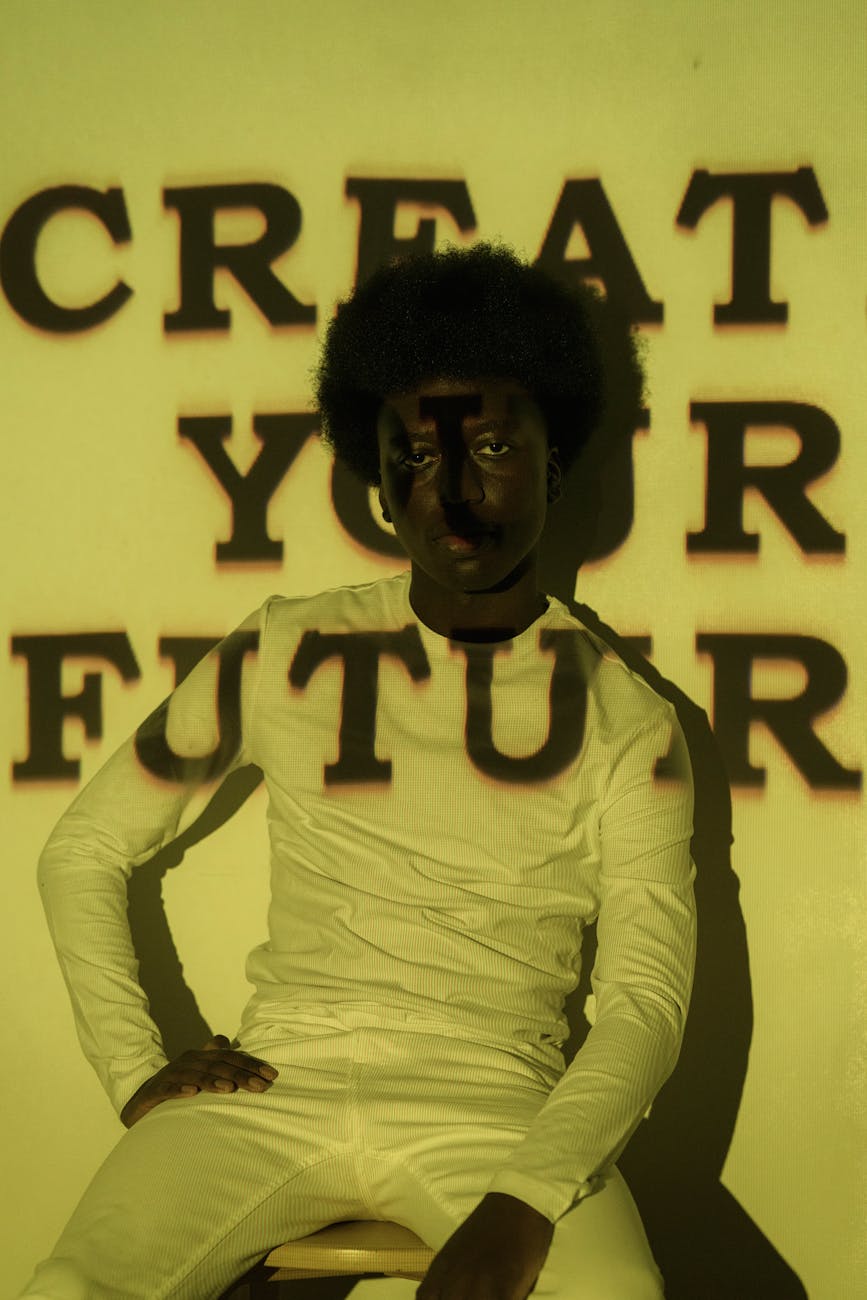
While October is a powerful moment for reflection and celebration, Black history is bigger than any single month. The stories, experiences, and contributions of Black people transcend these 31 days and should be integrated into the broader understanding of British history year-round. The impact of the African diaspora is deeply embedded in the fabric of Britain—from culture and politics to science and education.
Must-Read Books to Pass Through Generations

One of the best ways to continue learning and sharing Black history is through books that offer a multi-generational understanding of the Black experience. Below are some essential reads that can be shared across ages, offering insight, pride, and knowledge for both the young and the elderly.
1. “Black, Young, and Gifted: A Journey of Lifting and Educating Generation Z” – Edited by Kamara Gray
This anthology, which you already mentioned, is a great tool for young readers to connect with stories of empowerment and achievement by Black Britons. It serves as both a guide and inspiration for future generations.
2. “Black and British: A Forgotten History” by David Olusoga
This award-winning book is a comprehensive look at the long and often forgotten history of Black people in Britain. Olusoga’s detailed and engaging writing reveals that Black history in Britain dates back centuries and challenges the misconception that Black people are recent arrivals to the UK.
3. “Natives: Race and Class in the Ruins of Empire” by Akala
Akala’s powerful memoir intertwines his personal experiences with a critical examination of race and class in modern Britain. It’s a thought-provoking read that confronts the lingering effects of British colonialism.
4. “The Louder I Will Sing” by Lee Lawrence
A moving autobiography that recounts Lawrence’s quest for justice following the shooting of his mother, Cherry Groce, by the Metropolitan Police in 1985. It explores themes of racial injustice, family, and resilience, offering valuable lessons for all generations.
5. “Windrush Child” by Benjamin Zephaniah
A novel written for younger readers, Windrush Child tells the story of a young boy who migrates from Jamaica to Britain during the Windrush era. It’s a great book to introduce children to the history of the Windrush Generation and the challenges they faced.
Must-Watch Documentaries Bridging African and Diasporic Cultures

In addition to books, documentaries provide an engaging way to learn about Black history and the connections between African and diasporic cultures. Here are some must-watch films:
1. “Bigger Than Africa” (2018)
This documentary explores the impact of the Yoruba culture, one of Africa’s most significant ethnic groups, on the African diaspora in the Caribbean, Brazil, Cuba, and the United States. It powerfully demonstrates the resilience and adaptability of African traditions despite the disruptions of slavery and colonization, revealing how these cultural practices continue to shape life across the Atlantic.
2. “The Black Power Mixtape 1967-1975” (2011)
While focused on the Black Power movement in the US, this documentary offers valuable insights into the global struggles for Black liberation, which also resonated in Britain during the same period. It’s an important resource for understanding how these movements inspired Black Britons.
3. “Britain’s Forgotten Slave Owners” (2015)
This BBC documentary, presented by historian David Olusoga, reveals how slavery shaped British society in ways often ignored in mainstream history. It sheds light on the wealth accumulated from the slave trade and the way its legacy still influences the present.
4. “13th” (2016)
Directed by Ava DuVernay, this film focuses on the history of racial inequality in the US, particularly examining how the 13th Amendment, which abolished slavery, allowed for the continuation of racial oppression. The documentary resonates with the struggles of the Black British community and the global fight against systemic racism.
5. “The Unwanted: The Secret Windrush Files” (2019)
This BBC documentary delves into the political scandal surrounding the treatment of the Windrush Generation. It examines how policies of the British government, dating back to the 1940s, led to the wrongful deportation of Black British citizens, shedding light on contemporary issues of immigration and identity.
Beyond October
As we celebrate Black History Month in the UK, it is vital to remember that this month is just a starting point. Black history is a cornerstone of British history and should be recognized as such every day of the year. Whether through reading powerful books, watching insightful documentaries, or engaging in open discussions, there are countless ways to honor and continue learning about the contributions of Black people in Britain and across the world.Our history is deep, vast, and enduring—far bigger than a single month. And it is through education, dialogue, and reflection that we can ensure the next generation grows up with the pride, knowledge, and understanding necessary to foster a more inclusive society for all.
 Black Learners, Bright Futures
Leave a comment