
Deciding on GCSE subjects can feel like an overwhelming challenge for Year 9 students, especially when they are unsure about their future career path. The decision holds significance, as these choices can influence further education and career opportunities. For a child torn between core subjects such as Mathematics, English, and Science, providing clarity and support is key. This article explores the options available and offers guidance for making informed decisions.
Understanding the Core Subjects
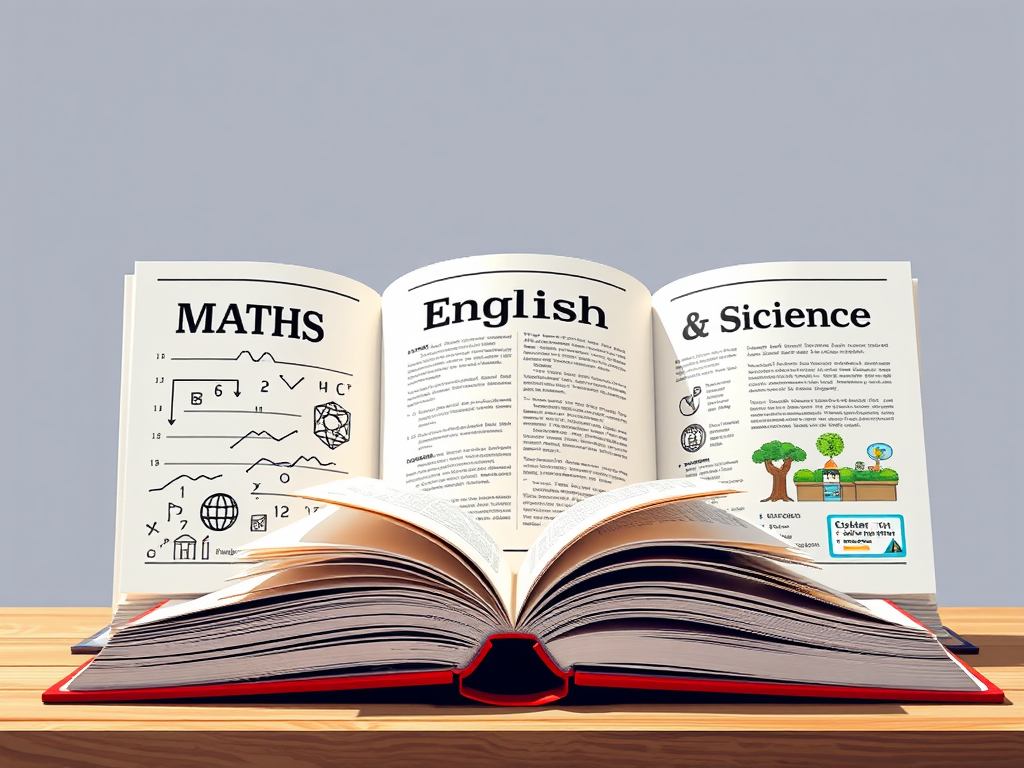
In the UK, English, Mathematics, and Science are part of the compulsory GCSE curriculum. However, students can choose to take additional qualifications in these areas or focus on specific aspects:
• Mathematics: Beyond the compulsory GCSE, options such as Further Mathematics or Statistics might be available for students who excel in analytical thinking and enjoy problem-solving.
• English: Students typically study both English Language and English Literature. Those with a flair for writing or a love for storytelling may find literature especially fulfilling.
• Science: Many schools offer Combined Science, but students may opt for Triple Science, covering Biology, Chemistry, and Physics in greater depth, if they show a strong aptitude or interest.
How to Choose When the Future Feels Unclear

For students unsure about their career aspirations, it’s essential to consider their strengths, interests, and long-term benefits:
1. Reflect on Interests and Strengths: Encourage your child to think about what they enjoy learning and where they perform well. Do they thrive on problem-solving in Maths, feel passionate about writing essays in English, or find scientific experiments fascinating?
2. Keep Options Open: If your child hasn’t identified a career path, opting for a balanced combination of subjects can help keep doors open. All three—Maths, English, and Science—are valued in further education and employment, so maintaining a focus on them is rarely a wrong choice.
3. Speak with Teachers and Careers Advisers: Teachers can provide insights into your child’s potential in specific subjects, while careers advisers can suggest GCSE combinations that align with a variety of paths.
4. Look Beyond the Academic: Extracurricular activities, hobbies, and informal learning experiences can also guide your child towards understanding what they enjoy. For example, a budding interest in coding might tilt them towards Mathematics and Science.
Supporting Your Child’s Decision-Making Process

While it’s natural to want to guide your child, it’s equally important to let them take ownership of their choices. Here are some ways parents can help:
• Create a Supportive Environment: Discuss their options without judgment or pressure. Reassure them that they are not alone in feeling uncertain and that this decision, while important, is not irreversible.
• Encourage Exploration: Expose your child to different fields through books, documentaries, workshops, and conversations with professionals in various industries.
• Emphasise Growth Over Perfection: Remind your child that GCSEs are a stepping stone. They will continue to learn and grow, and their path can evolve over time.
Discovering Their ‘Mission’

The process of identifying a child’s talents or passions is rarely linear. Encourage curiosity and celebrate small discoveries, whether it’s an aptitude for problem-solving, a love of creative expression, or an interest in understanding how the world works. As parents, your role is to nurture this journey by providing opportunities for exploration and fostering confidence.
Ultimately, the most valuable thing you can do is to listen and affirm their unique potential. A child’s “mission” isn’t something to be rushed but rather a lifelong process of discovery, built on a foundation of support, encouragement, and trust.
Further Resources for Parents

To support your child in making their GCSE choices, consider these helpful resources:
1. The National Careers Service
Offers advice on career paths, subject choices, and potential future qualifications.
Provides practical advice and insights on choosing GCSEs and exploring subjects.
3. UCAS – Choosing GCSE Subjects
Guidance on GCSE selection, including how subject choices impact future education and career options.
4. FutureLearn – Free Online Courses
A platform offering introductory courses in various fields, helping students explore potential interests.
5. Career Pilot
A tool designed to help students aged 11-19 explore career options and how subject choices align with them.
By tapping into these resources and maintaining open communication, parents can help their children navigate this crucial decision with confidence and curiosity.
 Black Learners, Bright Futures
Leave a comment