
Creativity is one of the most vital skills a child can develop, not only for personal expression but also as a foundation for problem-solving in adulthood. It is a skill that emerges in phases, much like hatching and incubation. These phases mirror how ideas are born and nurtured through exploration, trial, and refinement. By engaging children in play and diverse activities, parents can foster creativity, laying the groundwork for lifelong problem-solving abilities.
The Hatching Phase: Sparking Creativity Through Play
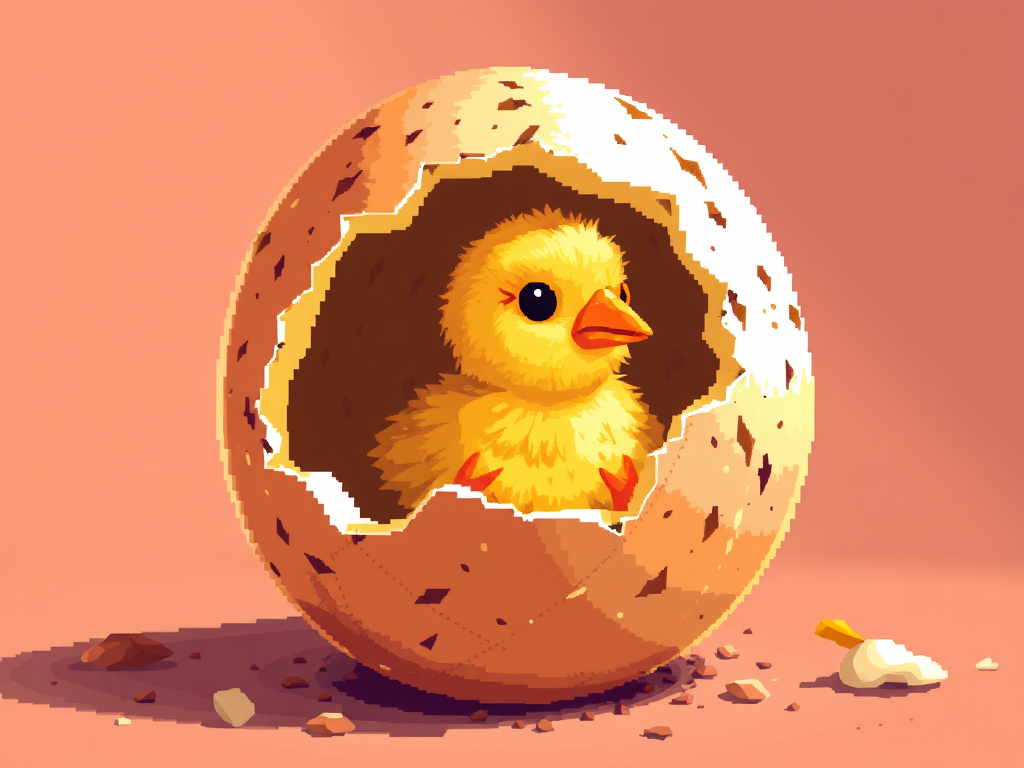
The hatching phase represents the emergence of creative ideas. Children are natural innovators, often experimenting with ideas and concepts through unstructured play. Activities such as building with blocks, drawing, storytelling, or engaging with imaginative games are perfect avenues for this stage. These activities allow children to explore without fear of judgment or failure, encouraging them to express unique perspectives.
Parents can nurture this phase by providing opportunities for open-ended play. For instance, instead of giving detailed instructions, let children decide how to use their toys. A set of building blocks, for example, could become anything from a castle to a rocket ship. The key is to provide tools and materials that encourage experimentation.
The Incubation Phase: Deepening Creativity
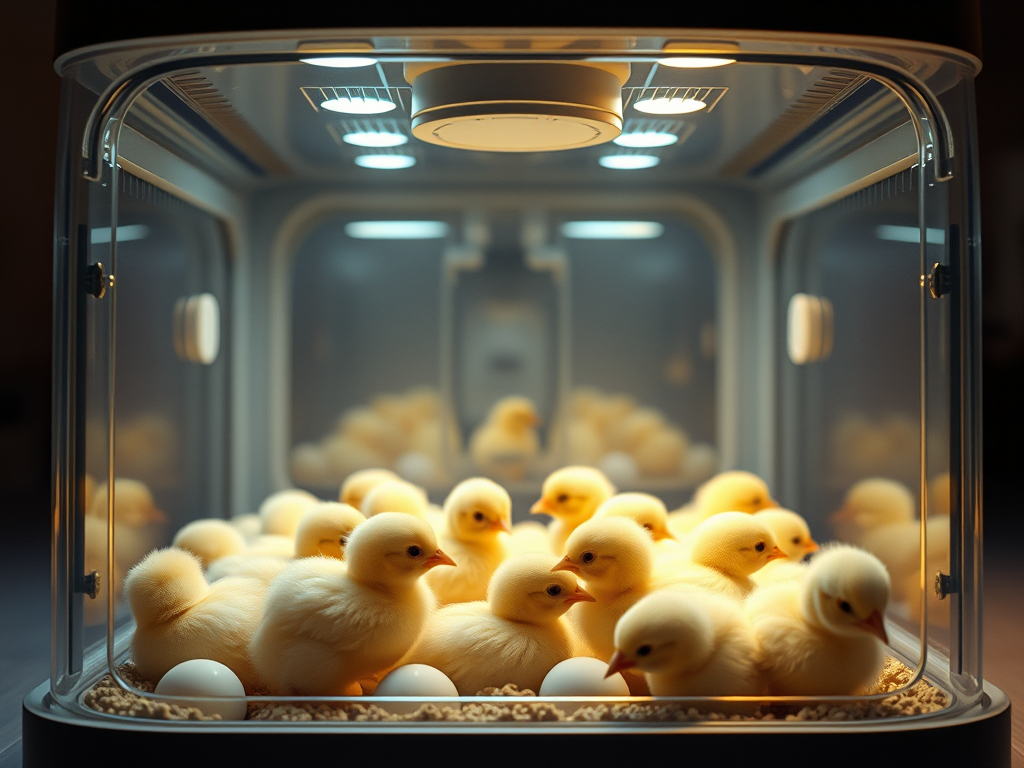
Incubation is the stage where initial ideas are refined, reshaped, or combined with others. It involves reflection and a deeper engagement with creative processes. Structured activities like puzzles, crafting, or learning musical instruments help children focus and hone their ideas into something tangible.
Parents can emulate this phase by fostering persistence and curiosity. Encourage children to revisit unfinished drawings or reimagine the storylines of their play. Discussions about their creations—what inspired them, what they would change—can deepen their understanding of creative thinking.
Activities That Emulate Creativity

To further support creativity, parents can incorporate a mix of structured and unstructured activities:
• Art and Craft Projects: Painting, sculpting, or DIY projects stimulate fine motor skills and creative expression.
• Role-Playing Games: These help children step into new perspectives, enhancing empathy and imagination.
• Outdoor Exploration: Nature provides endless inspiration, allowing children to engage with the world in sensory and tactile ways.
• Science Experiments: Simple home experiments teach children to hypothesise and test ideas, fostering analytical thinking alongside creativity.
Creativity as a Foundation for Problem Solving

In adulthood, creativity becomes an essential tool for problem-solving. When children learn to approach challenges with an open and imaginative mindset, they develop the ability to think critically and innovate solutions. For example, an adult who played with Lego as a child might be more adept at visualising complex problems and constructing solutions.
Creative individuals tend to be more resilient, adaptable, and capable of divergent thinking. This stems from the childhood habit of experimenting with various ideas and accepting failure as a part of the process. By fostering creativity in children, parents equip them with skills to navigate complex issues, whether in their personal lives or professional careers.
Nurturing Creativity at Home:
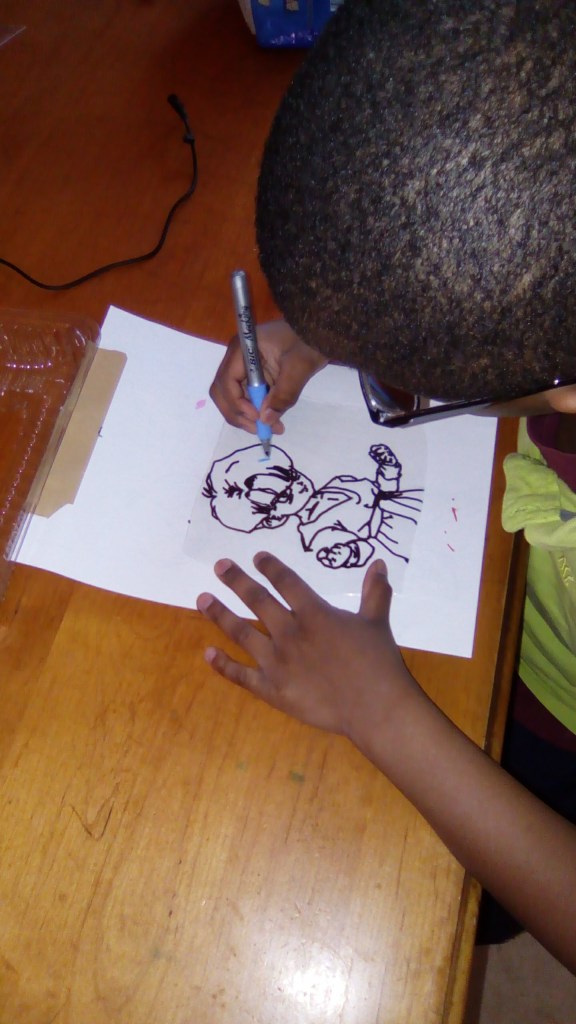
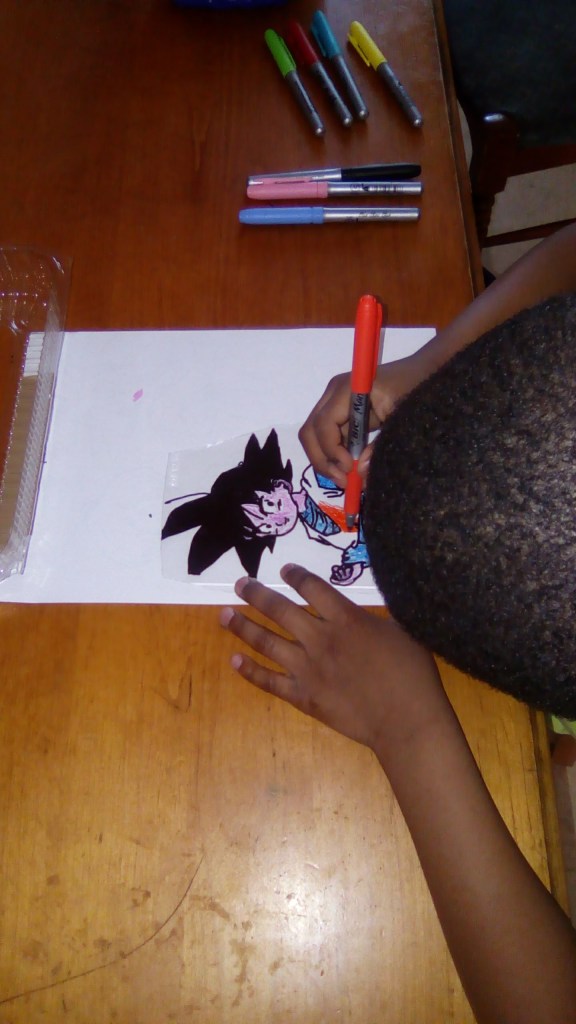
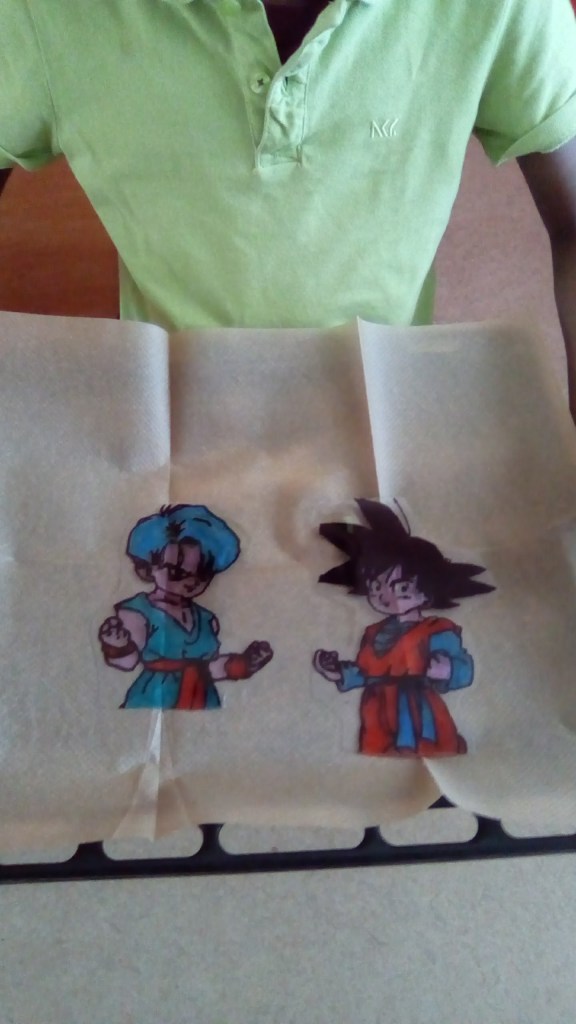
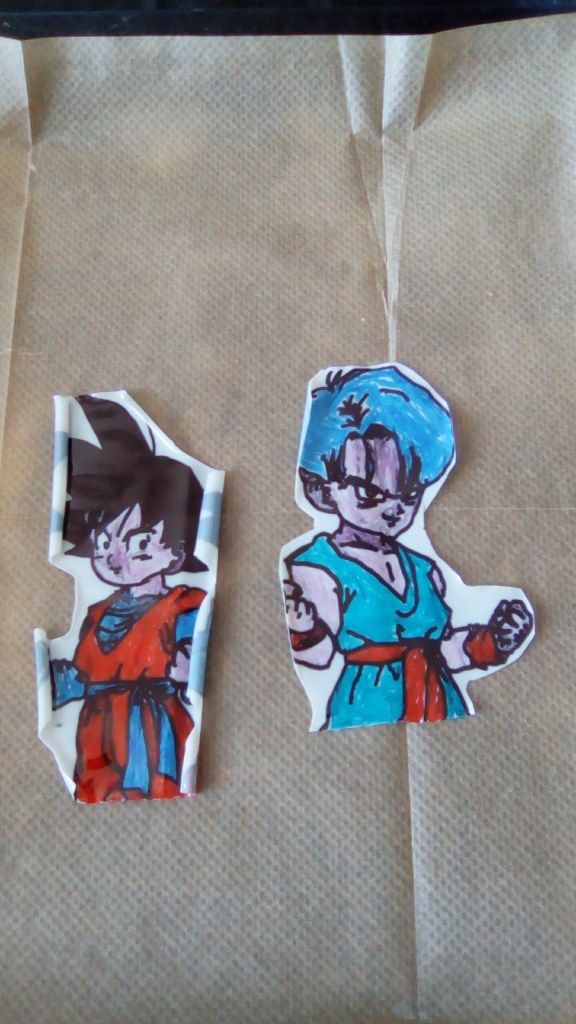
Now that you understand the phases of creativity and its long-term benefits, how will you act on this knowledge? As parents, you hold the key to your child’s creative growth. Begin today by integrating more opportunities for play, exploration, and reflection into their daily lives. Reconsider how structured your child’s schedule is and make room for unstructured time where creativity can thrive.
Provide diverse tools—paints, books, building sets—and encourage curiosity. Most importantly, allow your child the freedom to fail and try again. By doing so, you’ll not only nurture their creativity but also prepare them for a future where they can solve problems with confidence and originality.
 Black Learners, Bright Futures
Leave a comment