Today is the 22nd of November, the day my dad was born, him and I got a very special relationship. I used to think, “I’m a daddy’s girl”, not that my mum was in any way unloving or unsupportive. But I always felt my dad was my guy (and I missed him SO MUCH 😔), there was something about the way he understood me, the way we just clicked, that made me feel safe and secure. I didn’t think much about it back then—until I started reflecting on why I had such a strong bond with him and why I seemed to gravitate toward him over my mum at times.
As I grew older and looked into the psychology behind parent-child relationships, I came across some studies that helped me understand why I felt that way. It turns out, there’s a lot more to it than just personal preference—it’s rooted in how children form attachments and respond to the emotional support they receive from their parents.
1. Attachment Theory and the Parent-Child Bond

According to attachment theory, children naturally form deep bonds with the parent who is most responsive to their needs, which, in my case, was my dad. Studies have shown that when a child feels secure and consistently supported by one parent, they tend to develop a stronger emotional attachment to them. It’s not necessarily about loving one parent more than the other, but about feeling understood and safe. This might explain why I always felt like my dad was “my guy.” Perhaps it was because I felt his support more in those formative years, during both the ups and downs of childhood. He may have been the one who tuned in to my emotional needs, whether it was comforting me when I was upset or engaging with me in ways that made me feel valued. His presence created a secure base from which I could explore the world around me, fostering curiosity and resilience.
As a disclaimer, you need to know that I’m number 5 in a 9 kids family (yeah it’s a lot even for back in the day), but surprisingly our home was covered with pictures of my dad and I when I was a baby. I’m not even joking; our living room was filled with portraits of my dad carrying me on my 1st day on earth at the clinic. In another frame, we were just sitting on the reception sofa having a good time whilst I must have been not older than 2. These cherished memories are not just snapshots; they represent the foundation of trust and love that my dad built, which has profoundly influenced my relationships in adulthood. It’s these bonds that remind me of the importance of being present for others, just as he was present for me, reinforcing the idea that those early connections shape who we become as individuals.
2. Emotional Support and Understanding
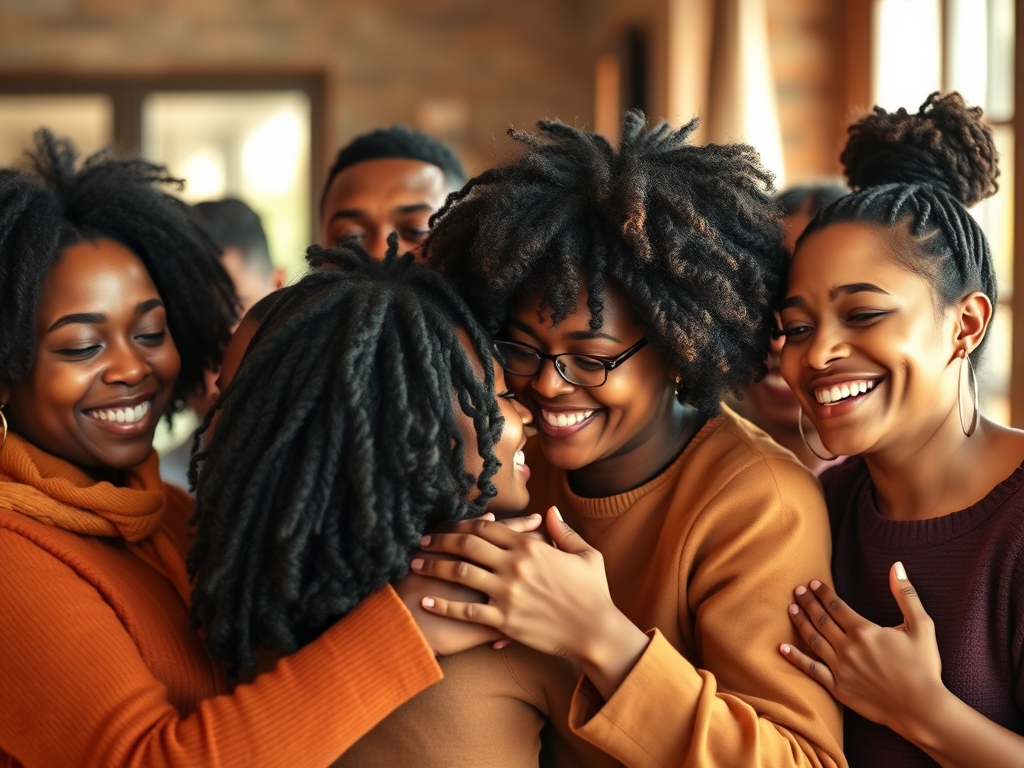
As I reflected more on my own experiences, I realized how important it was to feel emotionally understood by my dad. Studies suggest that children are more likely to prefer the parent who offers the most emotional validation, listens to their concerns, and helps them work through their feelings. I always felt like my dad “got” me, even in moments when I couldn’t express myself fully. There were times when I didn’t even have to say anything; he just seemed to know what I needed, intuitively grasping my emotions without the need for words. This profound connection was especially evident during difficult times, as he would often bring comfort through simple gestures or actions rather than lengthy conversations.
As it might have happened to you, one day I had a washing machine failure, which left me feeling overwhelmed by the mundane task of managing laundry in an inconvenient way. In the meantime, I had to go to the laundromat for my laundry, a chore I dreaded, especially when life felt especially busy. When my dad heard about it, he didn’t say anything, but his thoughtful silence was more telling than words could express. The following day, a brand new machine was delivered to my doorstep, a testament to how well he understood my situation. He also knew I was too proud to ask for help directly, so he eased my mind by casually mentioning that I could reimburse him at my convenience, making it possible for me to save face while still receiving the support I deeply appreciated. This combination of understanding and generosity truly highlighted the special bond we shared and the emotional safety he provided throughout my life.
3. Parenting Styles and Communication
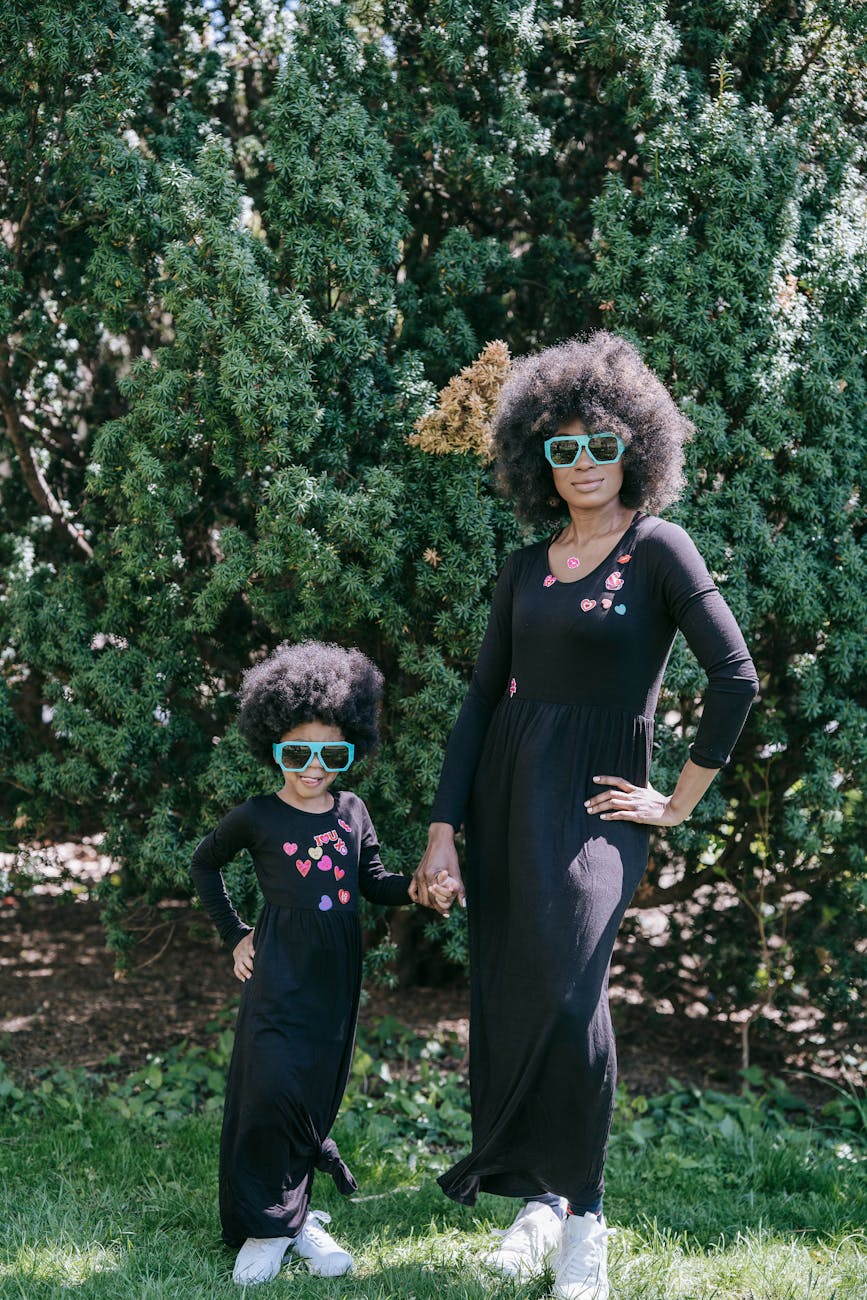
Another reason why I might have preferred my dad over my mum could have to do with communication styles. Research shows that children tend to form stronger attachments with parents who communicate in an open, supportive way, as opposed to those who may be more authoritarian. While my mum was nurturing and supportive, my dad was the one who often engaged in more open discussions with me. He was the parent I could have deeper conversations with, and that made me feel heard. His patience and willingness to explore my thoughts and feelings created a safe space for me to express myself. In my case, I think it was his ability to communicate effectively and respect my individuality that led me to feel closer to him. If there was ever a problem or a question, he was always the first person I felt comfortable going to.
Growing up, my dad was the one I directed ALL my questions about the world, society, and so on; I thought it was due to his profession that made him travel the world. But, even after he retired, we used to have our political calls where I would ask him for his take on some political issues and/or government new policies. Those discussions were not just enlightening, but they also reinforced the bond we shared. He was so brilliant and resourceful that we always had something to talk about, fostering an intellectual connection that made me feel special and also somewhat brilliant, I admit, as I enjoyed engaging with him on such complex topics. Our conversations were often filled with laughter and the exchange of ideas, making learning something I looked forward to rather than a chore. This dynamic not only enhanced my understanding of various subjects but also deepened my admiration for his perspective on life, shaping my worldview in the process.
4. Consistency and Stability

Another factor that may have influenced my preference for my dad was the consistency and stability he provided throughout my formative years. Research suggests that children tend to prefer the parent who is more consistent in their caregiving—someone who is predictable and reliable. My dad was that unwavering rock for me, a bulwark against the unpredictable tides of adolescence, and having that sense of stability likely made me feel safe and secure, especially in times of uncertainty.
I can still remember vividly the year 1994, when I was in year 12; it was a pivotal moment in my life. Why? It was the first time I had experienced failure academically, and I was overwhelmed with a deep sense of shame at the thought of disappointing him. However, instead of dwelling on my mistakes, he was there with open arms to uplift my mood, reassuring me that failure was not the end but rather a stepping stone towards growth and resilience. His unwavering support allowed me to realise that my worth was not solely defined by my academic achievements, but by the character and effort I put forth in everything I pursued.
5. Shared Interests and Activities
Finally, shared interests and activities play a big role in forming bonds between children and parents. For me, my dad and I shared numerous hobbies and pastimes that brought us closer together, whether it was something as simple as watching movies together on a cozy evening or taking long drives along scenic routes, exploring new places, and creating our own little adventures. These moments not only helped strengthen our relationship but also created cherished memories that I hold dear to my heart.
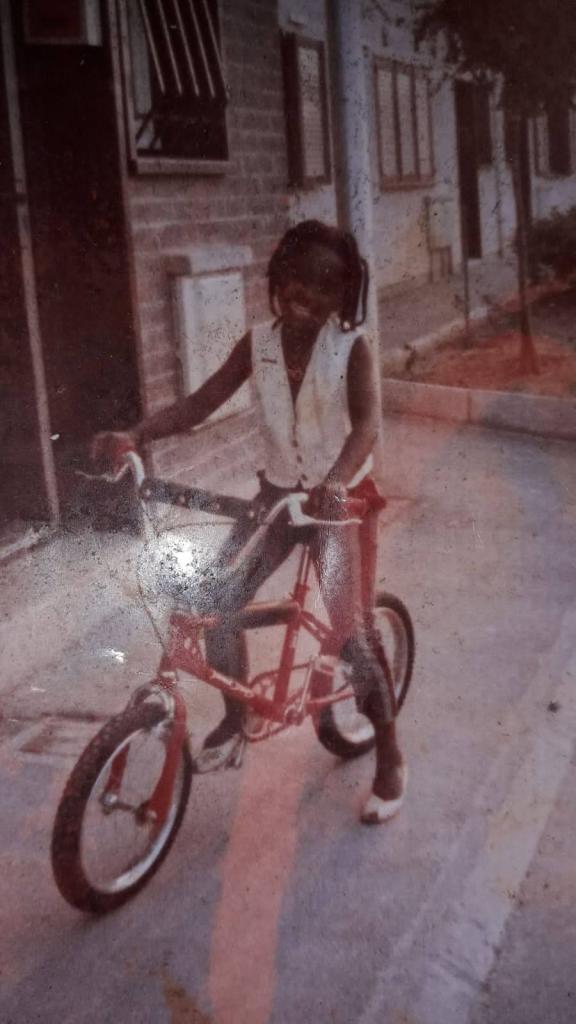
When I was little, my dad taught me how to ride a bike, an experience filled with laughter and joy; I can still remember the warm sun on our faces and the sound of our giggles as I wobbled and eventually gained confidence. We would embark on long rides through the neighborhood, discovering hidden paths and stopping at ice cream shops, savoring those delightful treats. Each of these experiences was a thread woven into the fabric of our relationship, creating a tapestry rich with affection and understanding.
6. Moral : It’s Not About Choosing Sides
In the end, after reading and reflecting on these studies, I realise that my preference for my dad wasn’t a rejection of my mum; rather, it was simply a result of feeling more emotionally attuned to my dad at that particular time in my life. Both of my parents were loving and supportive, and I cherish the different ways each of them contributed to my upbringing. However, the distinct way they communicated with me, how they understood my thoughts and feelings, and the emotional security they provided played crucial roles in shaping the bond I had with each of them. My dad often engaged in deeper conversations, while my mum offered a nurturing presence that was equally vital. So, to anyone who’s ever wondered why they gravitated more toward one parent than the other, it’s important to recognise that it’s not about love or favoritism; rather, it’s about how each parent meets our emotional needs, provides stability, and communicates with us in ways that resonate. The subtle nuances in their approaches influenced my perceptions and feelings profoundly.
Once I became a mom myself, my mom (may her soul rest in peace) turned into my significant guide into motherhood, her wisdom and experiences serving as a beacon of light as I navigated the challenges and joys of parenting. Her teachings continue to inspire me, reminding me of the importance of being attuned to my children’s emotional worlds, just as she was with me.
 Black Learners, Bright Futures
Leave a comment