
Work experience in Year 10 is an exciting and formative milestone for young people in the UK, giving them their first taste of the working world. But for many students, particularly those from underrepresented backgrounds, the process of securing a placement is far from simple. With fewer family networks, limited industry contacts, and a lack of guidance, these students often face an uphill battle to access opportunities that should be open to all. This situation not only limits their career exposure but can also feel deeply discouraging, stifling their aspirations at a crucial stage.
In recent years, educators, parents, and career advisors have voiced concerns about the accessibility of work experience placements. While some schools work hard to connect students with local businesses, others lack the resources or networks to do so. This leaves many young people, especially those from low-income households or communities with low representation in certain industries, at a stark disadvantage. These students are not only missing out on practical skills but also on the confidence-building experiences that are vital to later success.
So, how can we make work experience more accessible to every student, regardless of their background? Here are some strategies and tips for students, schools, and communities to ensure every child has the opportunity they deserve.
1. Schools and Employers: Creating Partnerships

One of the most effective ways to bridge this gap is for schools to establish formal partnerships with businesses and community organisations. Large companies often have outreach programmes, but smaller local businesses can also provide invaluable experiences. Schools could organise career fairs or work experience “matching” events, where students and employers can meet, ask questions, and get a feel for potential placements.
2. Leveraging Online Platforms for Wider Access

With the digital world at our fingertips, students can broaden their search far beyond what their personal networks offer. Websites like Speakers for Schools and The Workfinder App have dedicated sections for students seeking placements, often listing opportunities from companies specifically interested in hosting young people from diverse backgrounds. Encourage students to use these platforms actively, while providing them with guidance on creating standout applications.
3. Mentorship Programmes and Community Support
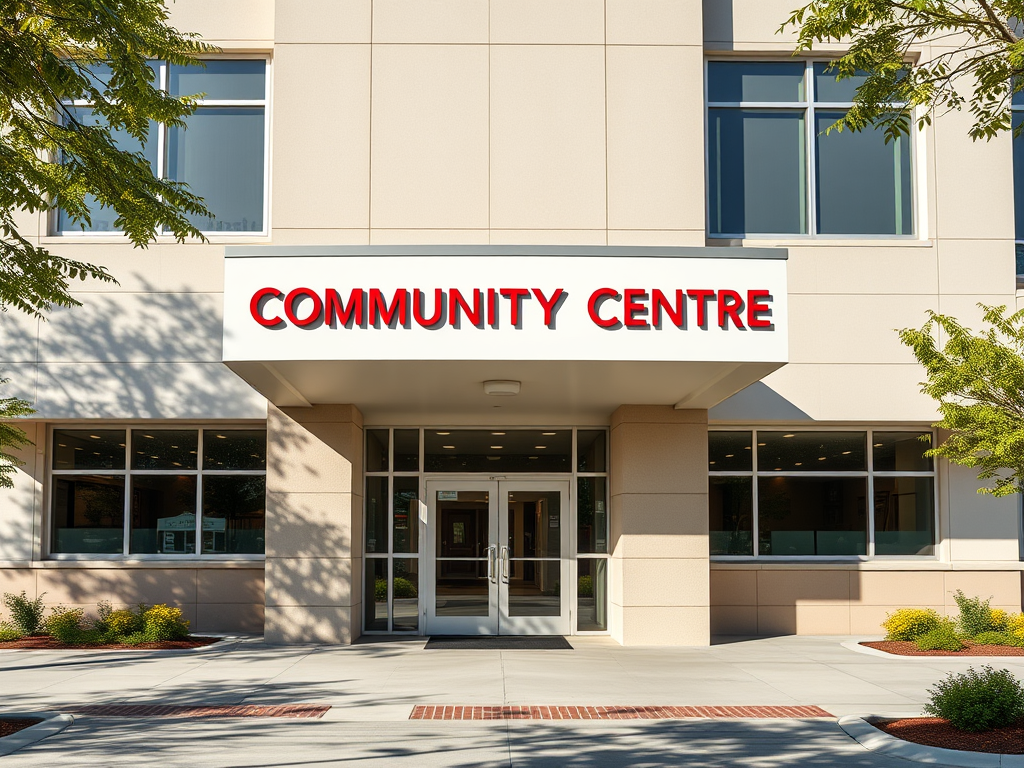
Mentorship programmes can also play a transformative role in helping students access work experience. Local councils, non-profits, and even certain companies run initiatives pairing young people with mentors in their desired fields. A mentor can offer insights, open doors to potential placements, and provide moral support throughout the search process. Community centres and local libraries often have information on these schemes, so it’s worth looking into what’s available in your area.
4. Skills-Based Volunteering and Shadowing as Alternatives

For students who can’t find a formal placement, volunteering can offer many of the same benefits. Volunteering in a local charity shop, helping at a community garden, or assisting with events in local organisations can develop teamwork, communication, and time-management skills. Similarly, job-shadowing someone for a day, even if it’s in a relative’s workplace, can give students a feel for workplace culture and expectations.
5. Support from Parents and Family Networks

For parents, supporting your child’s work experience search doesn’t always mean relying on your own professional network. You can help by practising interview skills with them, guiding them through the application process, and encouraging them to attend relevant events or workshops. Talk to other parents to explore what contacts they might have, or work with your school’s PTA to bring together a list of local businesses open to student placements.
Encouraging Inclusivity in the Workplace: A Call to Parents
As parents, we all want the best for our children, but this vision should extend to all young people, regardless of their background. Securing a fair and inclusive work experience system is one of the many steps we can take to create a more tolerant, inclusive society. We need to ask ourselves: what kind of society do we want to build? A society that values equal opportunity and tolerance, where every child has a chance to learn and succeed? A place where success is determined by talent and hard work, not by access to networks?
Let’s work together to ensure that inclusivity, equal opportunities, and fair access remain at the heart of British values. Join the conversation below—how do you think we can create a fairer future for our children? How can we work together to ensure that every child feels represented, valued, and capable of achieving their dreams?
 Black Learners, Bright Futures
Leave a comment