
As winter approaches in England, strengthening our children’s immune systems becomes a priority for many families. The cold, damp climate, coupled with shorter daylight hours, can lead to an uptick in colds, flu, and other seasonal illnesses. For Black children, who often require more sun exposure to produce sufficient Vitamin D, this seasonal change poses unique health challenges. In this article, we’ll examine the specific impacts of England’s winter weather on Black children’s health and offer solutions to enhance immune health, including key supplements, dietary strategies, and other resources available to support wellbeing.
Health Challenges Faced by Black Families During Winter

1. Vitamin D Deficiency
Vitamin D is essential for bone health, immune function, and reducing inflammation. Yet, in England, due to its latitude, sunlight is weaker in the autumn and winter months, making it difficult for anyone to produce sufficient Vitamin D. For Black children, this challenge is heightened as their darker skin has higher levels of melanin, which reduces the skin’s ability to synthesise Vitamin D from sunlight.Studies have shown that people with darker skin living in northern climates are more likely to be Vitamin D deficient, which can lead to a weakened immune system, increased risk of respiratory infections, and in severe cases, rickets—a condition that affects bone development. The National Institute for Health and Care Excellence (NICE) estimates that over 40% of people with African or Afro-Caribbean backgrounds in the UK may be Vitamin D deficient during winter months.
2. Increased Risk of Respiratory Infections
Respiratory infections such as the common cold, flu, and other viral infections are more common during colder months. For Black children, who may already face Vitamin D deficiencies, their immune systems can be more vulnerable. This can lead to a higher likelihood of respiratory illnesses that may not only be more frequent but potentially more severe.
3. Impact of Lower Socioeconomic Resources on Health
Research from Public Health England has highlighted that Black and minority ethnic (BAME) families may face socioeconomic challenges that can limit access to nutritious food, adequate housing, and healthcare resources. These factors further compound the risks of infections and Vitamin D deficiencies during the winter season.
Practical Solutions to Support Immunity
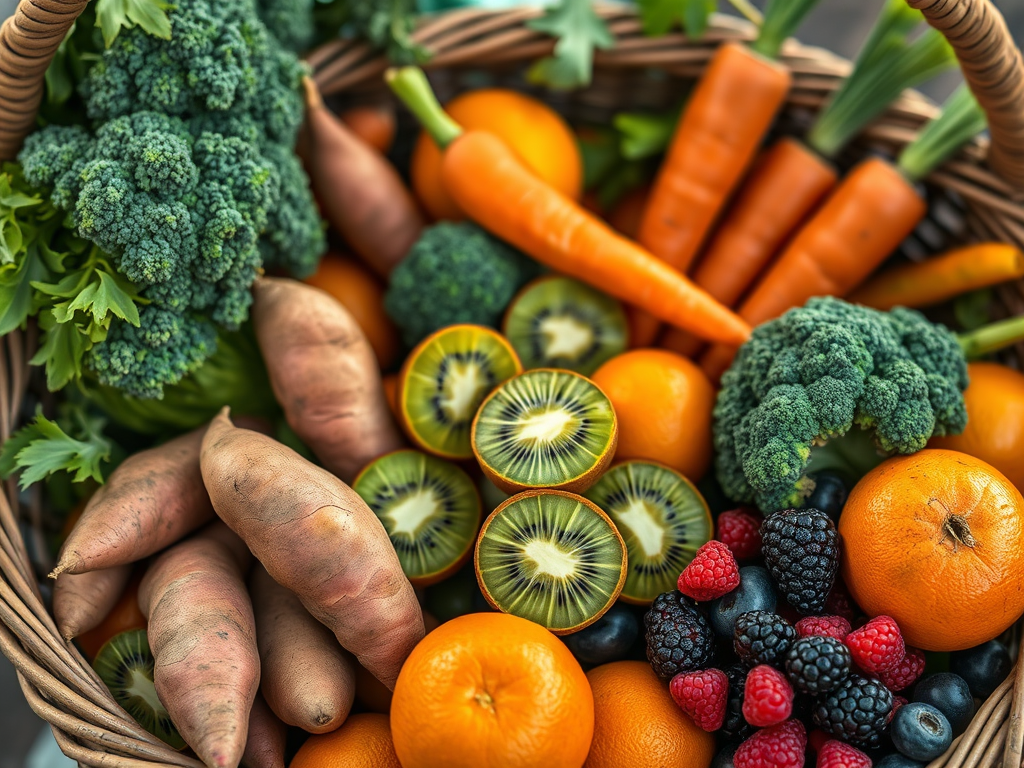
With these challenges in mind, families can take several proactive steps to support their children’s immune systems during winter. Below, we’ve compiled strategies for strengthening immunity, with an emphasis on supplement support and dietary improvements.
1. Supplements to Boost Immunity
• Vitamin D:
The NHS recommends a daily Vitamin D supplement of 10 micrograms (µg) for children over one year old, especially during autumn and winter months. For Black children, this supplementation is particularly crucial due to the reduced ability of their skin to produce Vitamin D in low-sunlight environments. Many families can access free Vitamin D supplements through the Healthy Start scheme if eligible, or they can purchase it over-the-counter.
• Vitamin C:
Known for its immune-boosting properties, Vitamin C helps strengthen the body’s natural defences. Fresh fruits like oranges, strawberries, and kiwi are excellent sources, and a daily Vitamin C supplement can be helpful if fresh produce is harder to come by.
• Zinc:
Zinc is another vital nutrient that aids immune function and helps with wound healing. Foods high in zinc include poultry, red meat, beans, and nuts, but a children’s zinc supplement can also be considered, especially in households following plant-based diets.
2. Dietary Changes to Strengthen Immunity
• Incorporate Colourful Fruits and Vegetables:
A diet rich in diverse fruits and vegetables provides a variety of antioxidants and phytonutrients essential for immune health. Foods such as bell peppers, spinach, sweet potatoes, and berries offer a rich source of vitamins and minerals. For breakfast, we like to have a smoothie made of almond milk and bananas, add some fresh slices of orange on the side to start the day on a healthy note.
• Add Probiotics for Gut Health:
Probiotics, beneficial bacteria that support digestive health, can also boost immune function. Foods like yoghurt, kefir, and fermented vegetables like sauerkraut are good options. For children who are not keen on these foods, a child-safe probiotic supplement can be a practical alternative. Greek yoghurts are one of my favourite, I just add some berries and sprinkle chia seeds on top for a delicious snack. Children love it 😋
• Choose Whole Grains Over Refined Carbs:
Whole grains such as brown rice, oats, and quinoa provide more fibre and nutrients than refined carbs. Fibre-rich diets are linked to better gut health, which in turn supports a robust immune system. Oats are part of a classic British breakfast, but my children generally prefer to drink oat milk as it tastes just as cow milk. And it became our favourite plant based drink since 2011.
3. Encouraging Physical Activity, Even During Winter
Even though it can be tempting to stay indoors, encouraging children to engage in physical activity—even on brisk winter days—helps keep the immune system active. Regular exercise improves circulation and allows immune cells to travel more efficiently through the body. Activities such as brisk walks, cycling, or even indoor dance games can keep children active while providing fresh air and sunlight exposure, however limited it may be.
NHS Resources and Support for Black Families

Accessing the right resources and medical advice can be pivotal for maintaining health through the winter months. Here are some available resources for Black families:
• Healthy Start Scheme:
This initiative provides eligible families with vouchers to purchase healthy foods, including milk, fruits, and vegetables, and offers free Vitamin D supplements. This programme helps ensure that families on low incomes have access to essential nutrition, especially through winter.
• NHS Vitamin D Guidance and Supplementation:
The NHS offers guidance on Vitamin D requirements, with some GP surgeries offering free supplements for at-risk groups, including children with darker skin. Families should check with their GP or local NHS Trust to see what resources are available.
• Local Public Health Services:
Some local councils provide community health programmes targeting BAME communities to offer nutritional advice, access to exercise programmes, and wellbeing workshops. These services often consider the specific health challenges facing ethnic minority communities.
• Charitable Organisations:
Organisations like The Caribbean and African Health Network offer resources, workshops, and webinars focusing on health challenges in the Black community, including information on immune health, mental wellbeing, and Vitamin D awareness.
Taking Proactive Steps for a Healthier Winter

This winter, as we face shorter days and colder temperatures, let’s be proactive in strengthening our children’s immune systems. From prioritising Vitamin D and other essential nutrients to adopting a balanced diet and encouraging active lifestyles, small steps can make a significant difference in maintaining our children’s health. For Black families in particular, these measures are essential to counter the unique challenges of winter in England.
Consider speaking with your GP to discuss personalised supplement plans for your children, and take advantage of NHS resources and community health programmes that support immune health and general wellbeing. By accessing these tools and prioritising immunity-boosting habits, we can equip our children to thrive through the winter and beyond. For more information on available supplements, eligibility for free resources, and nutrition support, visit the NHS website or local health organisations dedicated to supporting family wellness.
 Black Learners, Bright Futures
Leave a comment