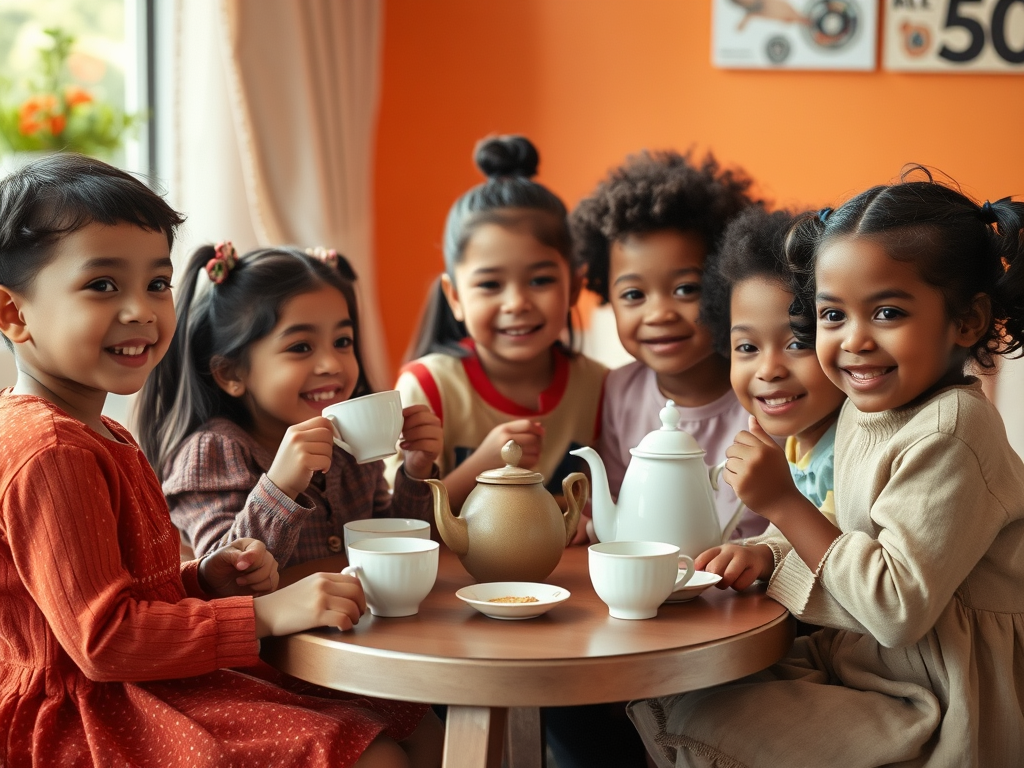
Social skills are essential for children as they navigate their interactions with peers and adults. These skills help them build relationships, manage conflicts, and develop a sense of belonging. Effective strategies for fostering social skills include play, understanding feelings, practicing empathy, and using social stories. This article explores these strategies, supported by child development studies and expert insights from psychologists.
The Role of Play in Developing Social Skills
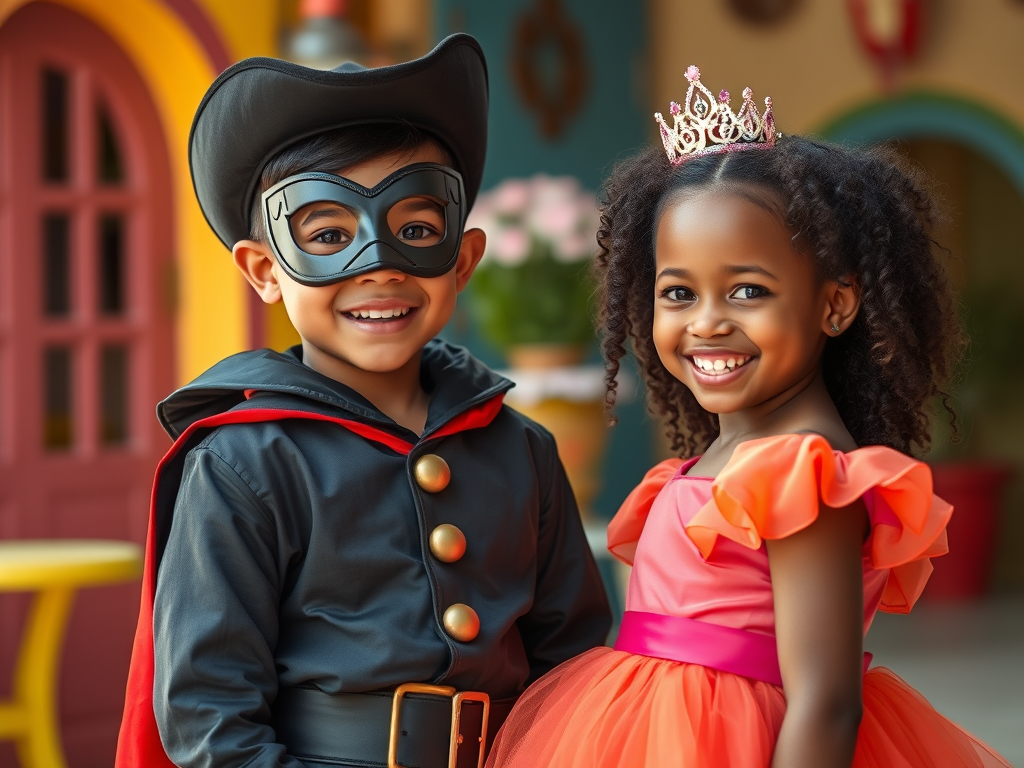
Play is a fundamental aspect of childhood that contributes significantly to social skill development. According to the American Academy of Pediatrics, play is essential for healthy brain development, as it encourages children to explore, interact, and learn from their environment. Through play, children engage in activities that promote cooperation, communication, and problem-solving.
• Types of Play that Foster Social Skills
1. Cooperative Play:
This type of play involves children working together toward a common goal, such as building a fort or completing a puzzle. Engaging in cooperative play encourages sharing, negotiation, and teamwork.
2. Role-Playing:
Children often imitate adult behaviors in their play, allowing them to experiment with social roles and scenarios. Role-playing can help children understand different perspectives, which is crucial for developing empathy. Cosplaying their favourite Marvel heroes was one of my kid’s hobby when they were little, we had Hulk, Captain America, Ironman and even the Thanos gauntlet 🫰🏾
3. Structured Play:
Activities like team sports or group games provide opportunities for children to learn rules, take turns, and manage winning and losing. These experiences teach children how to navigate social dynamics and conflicts constructively.
Psychologist Dr. Vicky P. McAlister emphasises that play is a powerful medium through which children can express emotions and learn social norms. She states, “Through play, children not only develop critical thinking and problem-solving skills but also learn how to communicate effectively and understand the emotions of others.”1
Understanding Feelings and Emotional Literacy

To develop social skills, children must first understand their feelings and the feelings of others. Emotional literacy refers to the ability to recognise, express, and manage emotions, which is a foundational element of social interaction.
• Strategies for Enhancing Emotional Literacy
1. Feelings Vocabulary:
Teaching children a wide range of feelings words (e.g., happy, sad, frustrated, excited) helps them articulate their emotions. This can be done through discussions, books, and visual aids like feeling charts.
2. Modeling Emotion Regulation:
Parents and caregivers can model appropriate ways to express and manage emotions. For instance, demonstrating how to handle disappointment can guide children in developing coping strategies.
3. Discussing Emotions:
Regularly discussing emotions in various contexts—like during family conversations or while reading stories—can help children recognise emotions in themselves and others. I always said to my boys they were allowed to cry if they felt like it, and there was no shame for a boy to do so.
Research by Dr. Marc Brackett, director of the Yale Center for Emotional Intelligence, highlights that children who understand and manage their emotions are better equipped to develop social relationships. His research2 shows that emotional literacy correlates with higher academic performance and improved social interactions.
Fostering Empathy
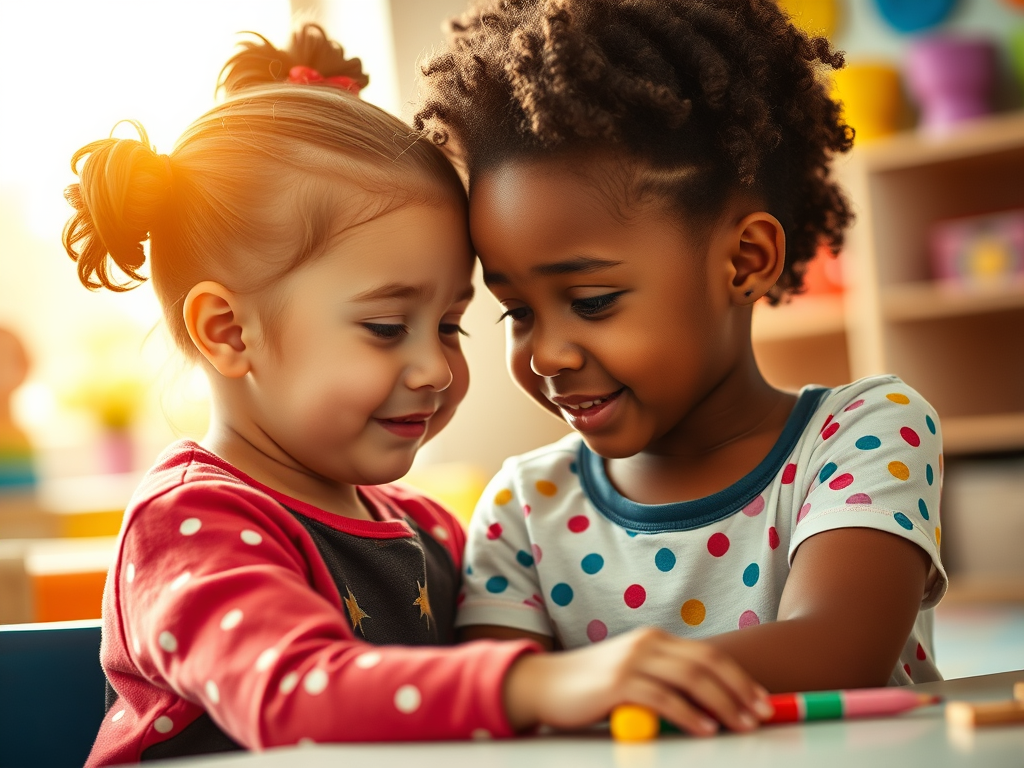
Empathy is the ability to understand and share the feelings of others, which is crucial for positive social interactions. Teaching empathy involves helping children recognise emotional cues and respond compassionately.
• Methods to Encourage Empathy
1. Perspective-Taking Activities:
Encourage children to consider how others might feel in different situations. Role-playing scenarios where they have to step into someone else’s shoes can enhance their understanding of different perspectives.
2. Kindness Projects:
Engaging in community service or simple acts of kindness can help children appreciate the impact of their actions on others. This involvement fosters a sense of connection and responsibility.
3. Literature and Storytelling:
Reading books that highlight emotional experiences and moral dilemmas can stimulate discussions about feelings and empathy.Cartoons like “Franklin the turtle” are great for children to understand this type of situations and my children loved it.
Dr. Nancy Eisenberg, a renowned developmental psychologist, emphasises the importance of empathy in social functioning. She notes, “Empathetic children are more likely to develop healthy relationships and exhibit prosocial behaviors, which are vital for their social success.”3
Utilising Social Stories

Social stories are short narratives that describe social situations and appropriate responses. They are effective tools for teaching children about social norms and expected behaviors in various scenarios.
• Creating Effective Social Stories
1. Identify the Social Situation:
Choose a specific social context, such as sharing toys or joining a group activity. I used it when my first started nursery school, we set a play of “First day at school”. Introducing yourself and make new friends, seemed that it worked quite well and he borrowed me some tricks on that day.
2. Use Simple Language:
Write in clear, age-appropriate language that the child can understand. As simple as saying “Hi, my name is B and I’m 3″, or raising your hand to ask :”Can I go to the toilet, please Ms?”
3. Incorporate Visuals:
Use pictures or drawings to illustrate the story, which can help reinforce understanding.
4. Discuss the Story:
After reading the social story, engage the child in a discussion about the feelings and actions of the characters. Ask open-ended questions to encourage reflection.
Research by Dr. Carol Gray4, who developed the concept of social stories, indicates that these narratives can significantly enhance social understanding in children, particularly those on the autism spectrum. They provide clear guidelines for expected behaviors and social interactions, making them an invaluable resource in promoting social skills.
Conclusion
Developing social skills in children is a multifaceted process that involves play, understanding feelings, fostering empathy, and utilising social stories5. By incorporating these strategies into daily routines, parents, educators, and caregivers can create a supportive environment that promotes healthy social development. The insights from child development studies and psychologists underscore the importance of these approaches in helping children thrive socially and emotionally. As they learn to navigate their social worlds, they become better equipped to build meaningful relationships and engage positively with others. I hope that you appreciate this article and are going to implement some of this strategies in your parenting style. Tell us if you experimented some of these techniques and how it worked for you.
- American Academy of Pediatrics – The Importance of Play in Promoting Healthy Child Development
This article outlines how play promotes social and emotional development and provides practical insights for parents and educators. ↩︎ - Yale Center for Emotional Intelligence — Resources on Emotional Literacy
The Yale Center offers research-based resources, articles, and tools to help children and adults improve emotional intelligence and social interactions.
↩︎ - Child Mind Institute – How to Teach Kids Empathy
The Child Mind Institute provides a helpful guide on fostering empathy in children with practical tips for parents and teachers.
↩︎ - Social Stories by Carol Gray – What is a Social Story ?
This website by Carol Gray, who pioneered social stories, offers resources and examples of how social stories work and their applications in different settings ↩︎ - Psychology Today – Helping Children Develop Social Skills
This article discusses the importance of social skills in children and offers practical advice grounded in psychological research. ↩︎
 Black Learners, Bright Futures
Leave a comment