
Understanding your child’s unique learning style can be transformative for their education. Over the years, various researchers and psychologists have developed scientifically validated tests to assess learning preferences. These tests are widely recognised in the educational field, offering insights into how children absorb, process, and retain information. Here are some of the most reliable and scientifically-backed tests that can help you assess your child’s learning style.
1. VARK Questionnaire for Younger People
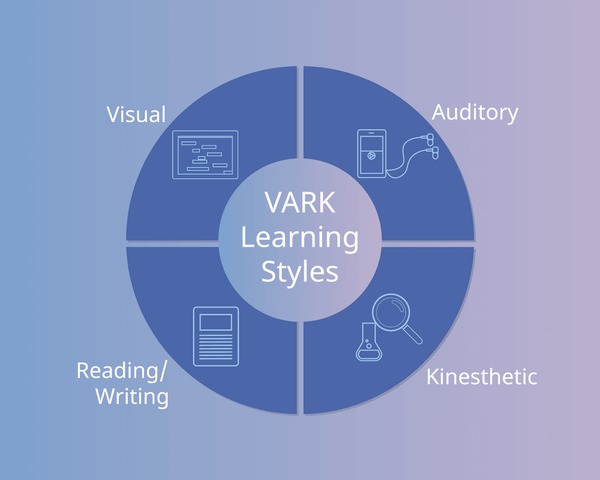
Purpose: The VARK Questionnaire, developed by Neil Fleming, is one of the most popular tools for identifying a inlearner’s sensory preferences. It categorises learning styles into Visual, Auditory, Reading/Writing, and Kinesthetic (VARK). This questionnaire helps identify which of these modes a child prefers, allowing for more tailored support.
About the Creator: Neil Fleming, an educator from New Zealand, developed the VARK model in the late 1980s to improve student learning experiences. Fleming’s work has since become a staple in educational psychology and remains one of the most widely used assessments.
Test the VARK Questionnaire for Younger People here
2. Kolb’s Learning Style Inventory (LSI)
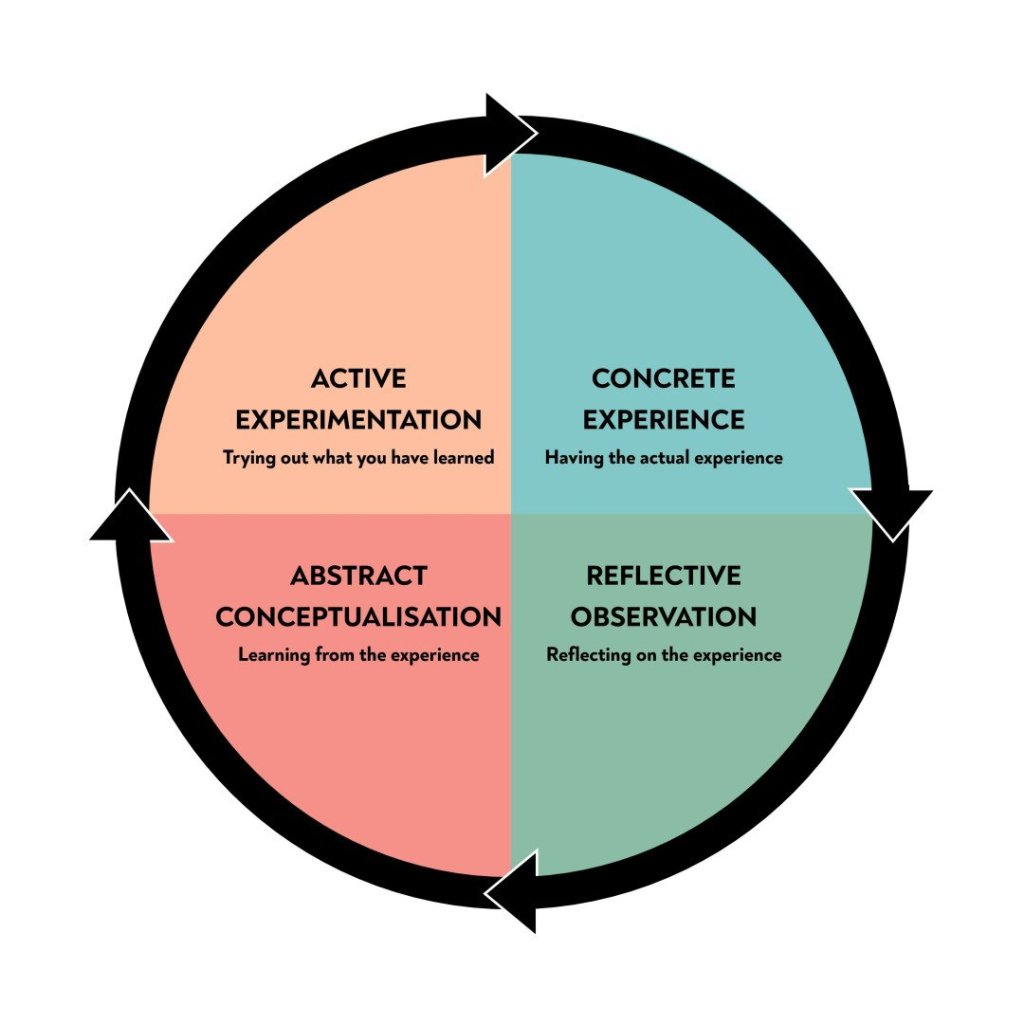
Purpose: Developed by educational theorist David Kolb, this inventory measures learning styles through four stages: Concrete Experience, Reflective Observation, Abstract Conceptualisation, and Active Experimentation. Kolb’s theory identifies four primary learning styles: Diverging, Assimilating, Converging, and Accommodating. The LSI can reveal if a child learns best through experience, reflection, conceptual thinking, or hands-on application.
About the Creator: David Kolb, an American educational theorist, introduced experiential learning theory in the 1970s. His model emphasises the importance of experience in the learning process, helping teachers and parents understand students’ diverse approaches to learning.
You can have a trial with just follow this link : Kolb’s Learning Style Inventor
3. Multiple Intelligences Theory by Howard Gardner
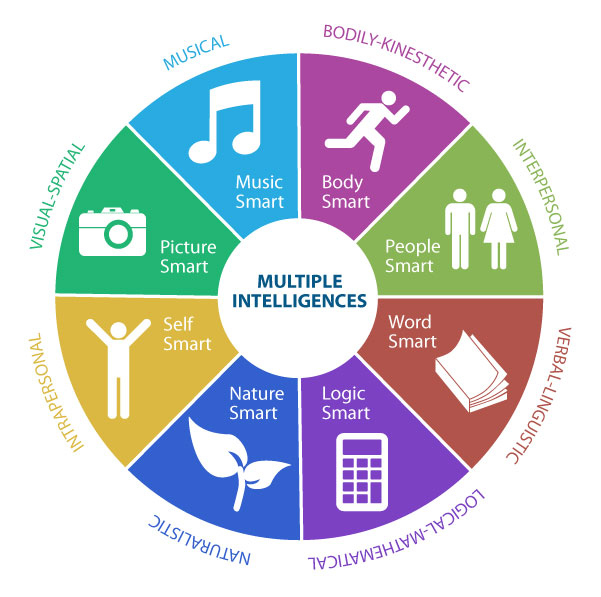
Purpose: Harvard psychologist Howard Gardner’s theory of Multiple Intelligences expands learning styles beyond the conventional models. Gardner proposes that individuals possess eight different types of intelligences: Linguistic, Logical-Mathematical, Spatial, Bodily-Kinesthetic, Musical, Interpersonal, Intrapersonal, and Naturalistic. Assessing a child’s strengths across these areas can reveal their preferred ways of understanding and interacting with the world.
About the Creator: Howard Gardner, a professor of cognition and education at Harvard University, developed the Multiple Intelligences Theory in 1983. His work has been influential in education reform, advocating for a broader recognition of diverse intelligences beyond academic aptitude.
I got you covered for the Multiple Intelligences Self-Assessment too, just click : https://personalitymax.com/multiple-intelligences-test/
4. Honey and Mumford Learning Styles Questionnaire (LSQ)
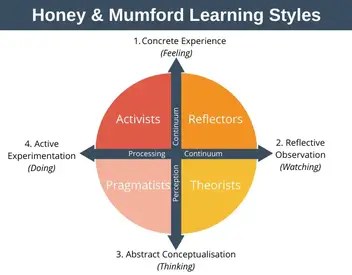
Purpose: Based on Kolb’s work, the Honey and Mumford Learning Styles Questionnaire identifies four types of learners: Activists, Reflectors, Theorists, and Pragmatists. This questionnaire helps assess if a child prefers to learn through active experimentation, observation, theoretical understanding, or practical application.
About the Creators: Peter Honey and Alan Mumford were British psychologists who adapted Kolb’s experiential learning model to create the LSQ. They believed that understanding learning preferences could improve teaching effectiveness and help learners develop more balanced learning skills.
For the Honey and Mumford Learning Styles Questionnaire you know what you have to do now !
5. The Dunn and Dunn Learning Style Model

Purpose: Developed by Rita and Kenneth Dunn, this model assesses how environmental, emotional, sociological, and physical factors affect a child’s learning. It categorises learning preferences across a broad range of variables, including light, sound, and structure, providing insight into the optimal learning environment for each child.
About the Creators: Drs. Rita and Kenneth Dunn, both American educators and researchers, spent decades studying how different factors influence learning. Their model, introduced in the 1970s, has been extensively used in schools worldwide and is notable for its emphasis on creating supportive learning environments.
Hurry up and try the Dunn and Dunn Learning Style Model
6. Big Five Personality Traits Test

Purpose: While not a direct learning style test, the Big Five Personality Traits Test provides valuable insights into a child’s personality, which can influence their learning preferences. It assesses five dimensions: Openness, Conscientiousness, Extraversion, Agreeableness, and Neuroticism. Knowing a child’s personality traits can help tailor educational approaches that align with their natural tendencies.
About the Researchers: Developed by psychologists Lewis Goldberg, Paul Costa, and Robert McCrae, the Big Five model is based on decades of research into personality theory. It is widely recognised and applied across psychological and educational fields.
And last but not least the Big Five Personality Traits Test : Click
• Conclusion
Using scientifically validated tests to assess your child’s learning style can be an invaluable tool for parents. Whether you’re working to create an effective study environment or advocating for more personalised support at school, these assessments offer practical insights into how your child learns best. By understanding their unique preferences, you can help foster a love of learning that will support their academic and personal growth. Each test provides a unique lens through which to understand and support your child’s development. Trying multiple assessments can provide a well-rounded perspective on how your child approaches learning, ultimately equipping you to help them thrive. If you want to learn more about how to support your child learning style, don’t hesitate to read my last article to get some tips here. I hope you enjoy this topic and will try the different options, if you have already taken it share your experience. And if you know better tests, put it in the comments section please.
 Black Learners, Bright Futures
Leave a comment