Cognitive flexibility, often described as the ability to switch between different tasks or concepts, plays a crucial role in our ability to adapt to changing environments and challenges. This mental skill allows individuals to think flexibly, adjust their thinking based on new information, and consider multiple perspectives simultaneously. As the modern world continues to evolve at a rapid pace, cognitive flexibility has become a highly sought after skill in both personal and school contexts.
What is Cognitive Flexibility?

Cognitive flexibility refers to the mental ability to shift one’s thinking and approach in response to changing demands or unexpected obstacles. This includes:
– Task Switching: The ability to switch between different tasks effectively without losing focus or efficiency.
– Conceptual Shifting: The capacity to move between different ideas, viewpoints, or problem-solving strategies.
– Adaptability: Adjusting one’s thoughts or behaviors in response to new information or changing circumstances.In practice, individuals with high cognitive flexibility can easily change gears, reframe challenges, and devise innovative solutions.
Benefits of Cognitive Flexibility

Cognitive flexibility offers numerous benefits that contribute to personal and professional success:
1. Enhanced Learning: Individuals with cognitive flexibility tend to learn more quickly because they can integrate new information with existing knowledge and apply it in various contexts.
2. Improved Problem-Solving Skills: This flexibility allows for more creative and effective problem-solving, as individuals can consider multiple solutions and evaluate their effectiveness in real time.
3. Pattern Recognition: Those who can think flexibly are often better at recognizing patterns that others might overlook, enabling them to draw insightful conclusions from seemingly unrelated data.
4. Adaptability: In a world where change is constant, cognitive flexibility allows individuals to adapt to new situations and challenges without becoming overwhelmed.
5. Better Interpersonal Relationships: Flexible thinkers can understand and appreciate different perspectives, enhancing their communication and collaboration skills.
The Importance of Cognitive Flexibility in Today’s World
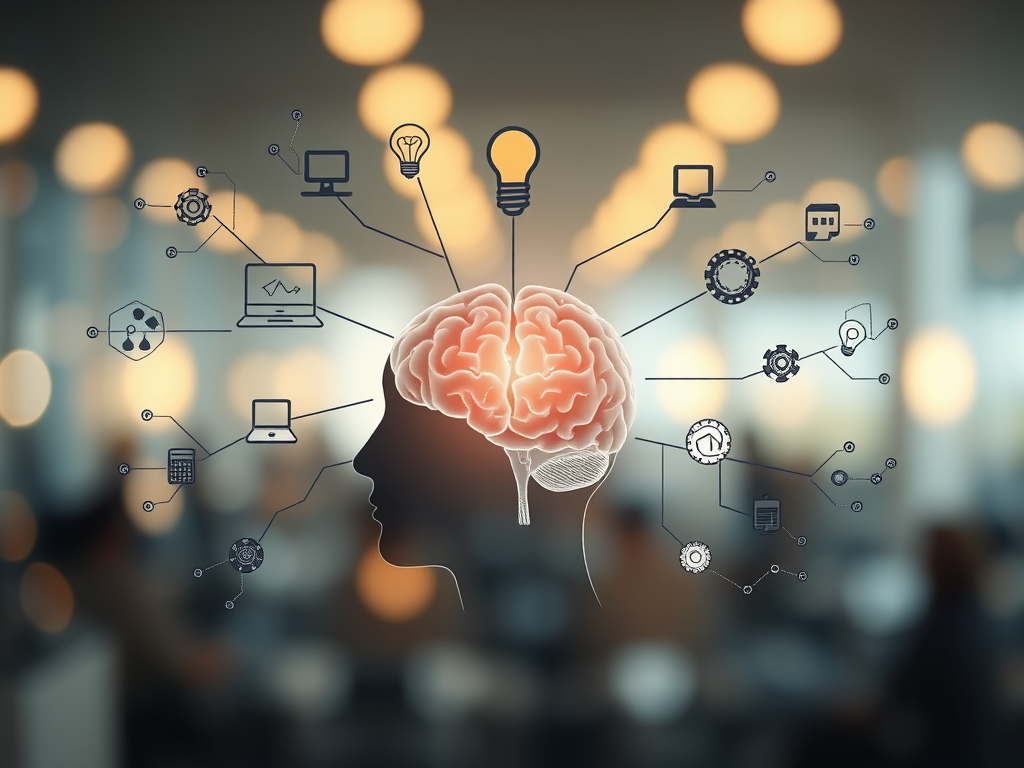
In today’s fast-paced and complex world, the ability to think flexibly has become increasingly valuable. Organizations seek individuals who can navigate uncertainty, adapt to new technologies, and find innovative solutions to problems. Moreover, cognitive flexibility contributes to emotional resilience, helping individuals cope with stress and uncertainty more effectively. Overall this is a valuable skill, as it often correlates with creativity, leadership potential, and overall performance. And these are exactly exactly the mindset we want to instill future generations.
Strategies to Improve Cognitive Flexibility
While some individuals may naturally possess cognitive flexibility, lucky you ! Hopefully, it is a skill that can be cultivated and enhanced through practice. Here are several strategies to improve cognitive flexibility:
1. Engage in Diverse Learning Experiences: Exposure to new ideas, cultures, and perspectives can stimulate cognitive flexibility. Attending workshops, read widely, and seek out diverse opinions to broaden their understanding. When I was younger I use to read magazines I mean the kids version with a subscription like “Science+Nature” or “National Geographic Kids”.
2. Practice Mindfulness: Mindfulness techniques can help improve awareness and control of one’s thoughts, enabling individuals to shift their thinking more easily when necessary. In my family, we are teaching kids to be mindful of positive emotions by practicing gratitude. Every day usually around bedtime, I have them name one or two things they are thankful for.
3. Embrace Change: Rather than resisting change, actively seek opportunities that require adaptability. This could include exploring different hobbies, see my last article on affordable activities that combined mindfulness, heritage and skills development for children. You could also learn them how to use rejection goals to build resilience.
4. Challenge Assumptions: Regularly question their beliefs and assumptions. Engaging in debates or discussions can help them see different viewpoints and enhance their ability to switch between them. Children are generally open-minded and curious, they don’t feel ashamed or diminished because they are challenged.
5. Play Strategy Games: Games that require strategic thinking and problem-solving, such as chess or complex puzzles, can help improve cognitive flexibility by encouraging you to consider multiple moves and outcomes. We are board games lovers, my first born was even part of a board games club in primary school.
Conclusion
Cognitive flexibility is an essential skill that can significantly impact learning, problem-solving, and adaptability. In a world characterized by rapid change and complexity, developing this ability is not just beneficial; it is imperative. By fostering cognitive flexibility through diverse experiences, mindfulness, and a willingness to embrace change, children can position themselves for success in all areas of life. And you, how do you practice cognitive flexibility? Do you have any techniques or experiences you want to share, if so share in the comment section. I’m more than happy to learn. Thanks for reading me.
Useful resources
Books
1. “Mindset: The New Psychology of Success” by Carol S. Dweck
– This book explores the concept of a “growth mindset,” a crucial element in developing cognitive flexibility.
2. “Switch: How to Change Things When Change Is Hard” by Chip Heath and Dan Heath
– Focusing on the psychology of change, this book provides practical strategies for adapting to new situations and shifting your thinking.
3. “The Art of Thinking Clearly” by Rolf Dobelli
– This book offers a collection of short essays on common cognitive biases and mental traps. By understanding these biases, you can train yourself to approach problems with more clarity and flexibility.
4. “Super Thinking: The Big Book of Mental Models” by Gabriel Weinberg and Lauren McCann
– This resource is packed with mental models that improve decision-making and help you think more flexibly across different scenarios, from professional to personal life.
 Black Learners, Bright Futures
Leave a comment