
Mental health is a crucial component of overall well-being and plays a significant role in academic success. According to the World Health Organization (WHO), mental health refers to “a state of well-being in which an individual realizes his or her own potential, can cope with the normal stresses of life, work productively, and make a contribution to the community.” For Black youth, who face unique challenges related to racism, discrimination, and systemic inequalities, mental health is particularly important.
The Impact of Mental Health on Academic Performance
Studies have consistently shown that poor mental health can significantly impact academic performance. Students who struggle with anxiety, depression, or other mental health issues may have difficulty concentrating, remembering information, and completing assignments. Additionally, mental health problems can lead to absenteeism, decreased motivation, and difficulty forming positive relationships with peers and teachers.
The Importance of Mental Health for Black Youth
Black youth are disproportionately affected by racism, discrimination, and violence, which can have a devastating impact on their mental health. Experiencing or witnessing trauma can lead to a range of mental health issues, including depression, anxiety, post-traumatic stress disorder (PTSD), and substance abuse. These experiences can also contribute to feelings of hopelessness, isolation, and low self-esteem.
Protecting Black Youth from Trauma
• Create a safe and supportive environment: Foster a sense of belonging and acceptance within your family and community. Create a safe space that provides emotional support, and celebrates Black culture and History.
• Encourage open communication: Your child should feel comfortable expressing their feelings and experiences with you. This involves active listening, validating their emotions, and offering support without judgment. Set boundaries but stay open minded.
• Seek professional help: If your child is struggling with mental health issues, don’t hesitate to seek professional help from a therapist or counselor. A mental health professional can provide your child with the tools and strategies they need to cope with their challenges. You don’t have to be alone in this situation and there’s nothing shameful about asking for help.
• Practice self-care: Teach your child healthy coping mechanisms, such as mindfulness, meditation, exercise, and spending time in nature. Having a stroll in a park can help reduce stress, improve mood, and promote overall well-being, it’s proven by several studies.
• Connect with other Black families: Build a community of support where your child can feel understood and valued. Connecting with relatives can provide a sense of belonging and offer opportunities for peer support and mentorship.
Nurturing Well-being in Black Families
• Prioritize self-care: As a parent, it’s important to take care of your own mental health. When you are well, you can better support your child. This includes practicing self-care activities, such as exercise, relaxation techniques, and seeking support from friends and family.
• Celebrate Black culture and history: Help your child develop a strong sense of identity and pride in their heritage. For example by travelling back to your “Motherland” and learn about their history, and connecting with Black role models.
• Build a community of support: Connect with other Black families and community members who can offer support and encouragement. This can involve joining local community groups faith-based or not, attending cultural events, or participating in online forums.
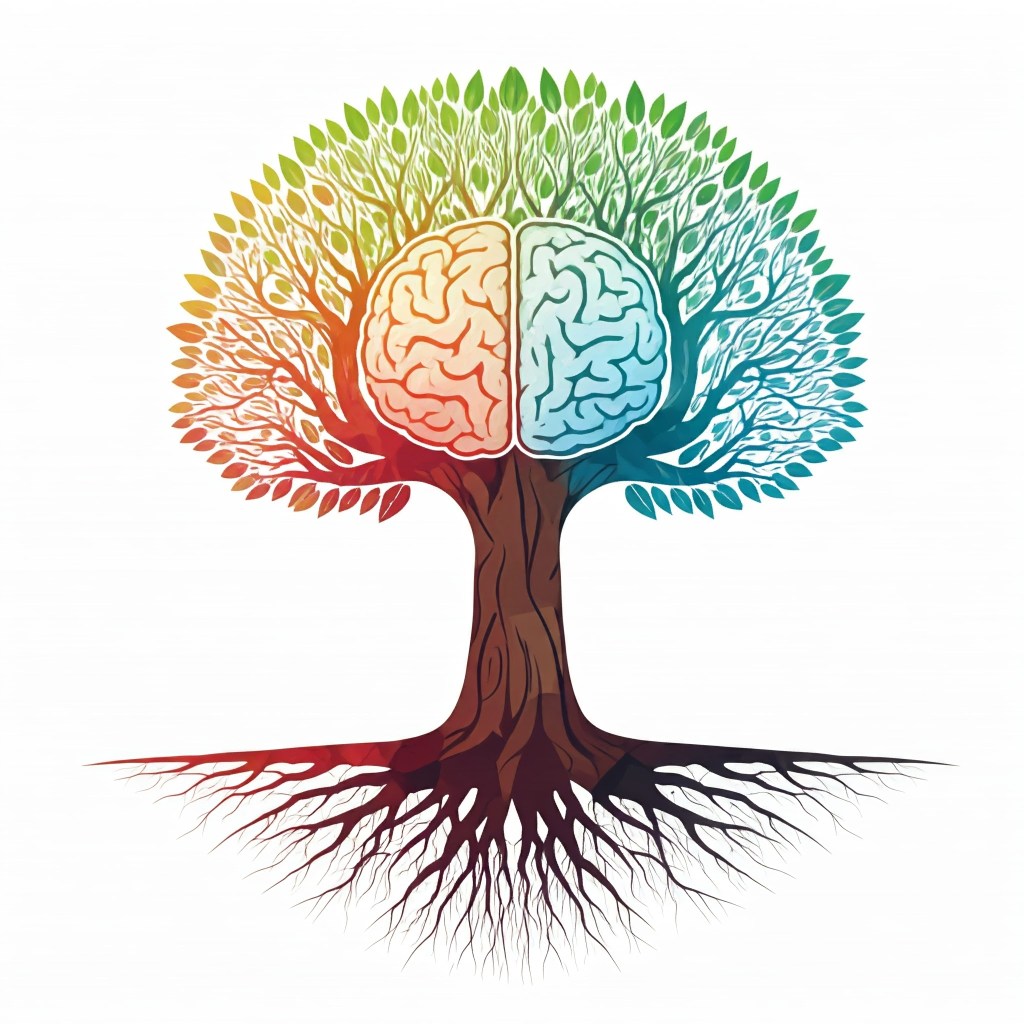
Remember this proverb : “A tree stands tall because of its roots.”
Helpful Resources :
NHS Mental Health Helpline: 0800 111 5065
Samaritans: 116 123
Mind: https://www.mind.org.uk/
Black Minds Matter UK: https://www.blackmindsmatteruk.com/
Young Minds: https://www.youngminds.org.uk/about-us/contact-us/
Prioritising mental health and taking steps to protect Black youth from trauma can help them reach their full potential and thrive in all aspects of their lives.
 Black Learners, Bright Futures
Leave a comment