
The UK education system offers a diverse range of options, each with its unique characteristics and benefits. Here’s a breakdown of the different types of primary school to let you make an informed decision for your children.
1/State Schools
• Funded by the government: These schools are free to attend and receive funding from the government.
• Local catchment areas: Admission is typically based on proximity to the school.
• Diverse student body: State schools often have a diverse student population, reflecting the local community.

2/Private Schools
• Independent institutions: These schools are not funded by the government and charge tuition fees.
• Selective admissions: Private schools often have selective admissions processes, including entrance exams or interviews.
• Smaller class sizes: Private schools generally have smaller class sizes, allowing for more individualized attention.
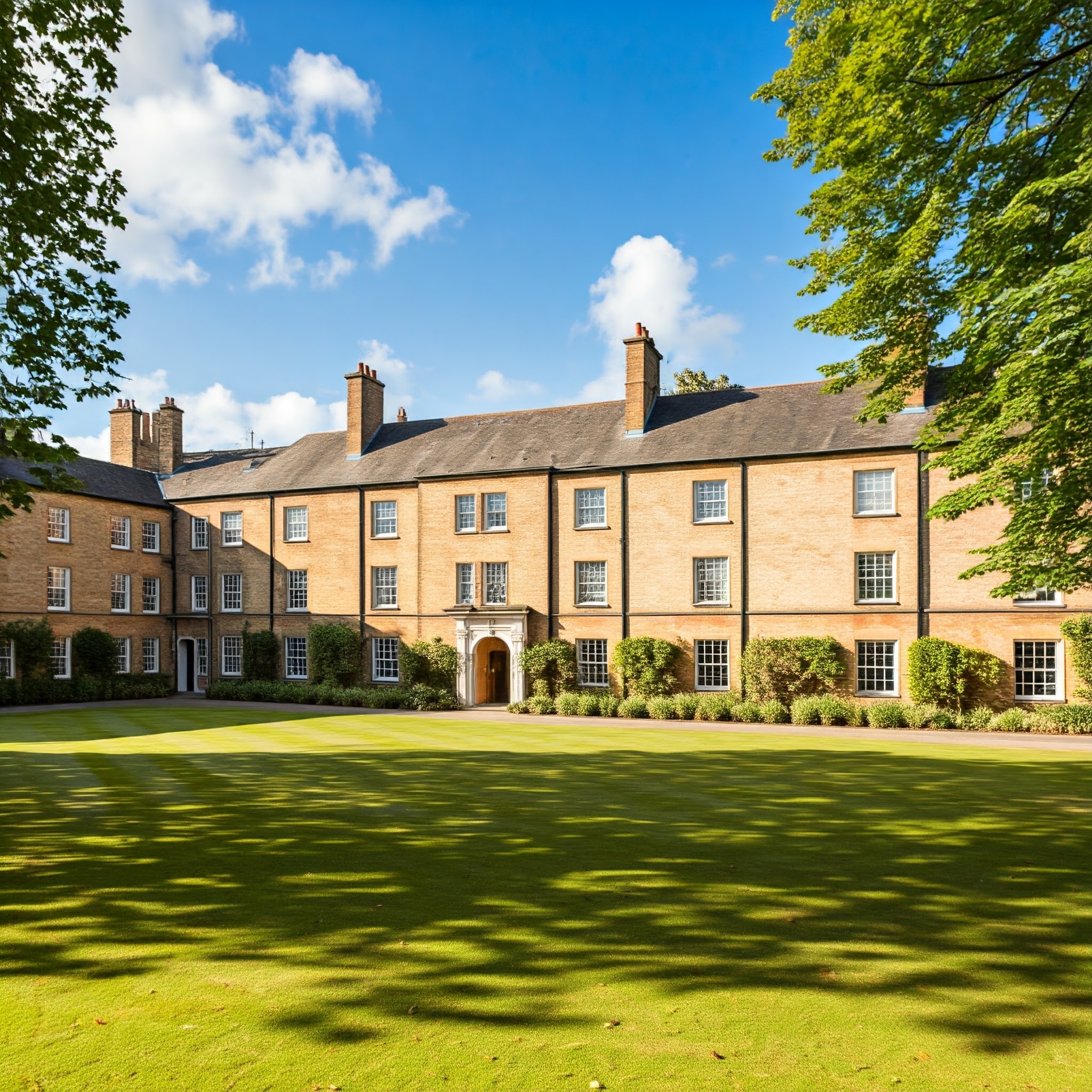
3/Grammar Schools
• Selective state schools: Grammar schools are state-funded but require students to pass an entrance exam.
• Academic focus: These schools prioritize academic achievement and often have high standards.
• Limited availability: Due to the selective admissions process, grammar schools are not available in all areas.
The Admissions Process
The admissions process for schools in the UK can vary depending on the type of school and the local authority. Here are some key points to consider:
• Catchment areas: State schools typically prioritize students who live within their catchment area.
• Waiting lists: If a school is oversubscribed, a waiting list may be in place.
• Priority criteria: Some schools may have specific priority criteria, such as children with special educational needs or those in care.
Curriculum and Assessments
The national curriculum outlines the subjects that all schools must teach. Key stage assessments are conducted at the end of key stages 1 (age 7), 2 (age 11), and 4 (age 16).
• GCSE (General Certificate of Secondary Education):
These exams are taken at age 16 and are crucial for progression to further education or employment.
• A-levels: These exams are typically taken at age 18 and are required for entry into many universities.
Additional Considerations
When choosing a school, it’s important to consider factors such as:
• School ethos: Does the school’s ethos align with your family’s values? Does the school support anti-bullying programs? Cultural awareness?
• Extracurricular activities: Does the school offer a range of extracurricular activities? Like IT or reading clubs to reinforce their school time learning.
• Pastoral care: How does the school support student’s emotional and social well-being? Again, we want our kids to progress in an environment that will boost their confidence and give them the resilience to overcome hard times.

I hope this help you to make informed decisions about your child’s education and ensure they have the best possible opportunities to succeed. It’s important to educate yourself about the different options available as it’s not always easy to be aware about what the system has to offer.
Tell us in the comments what was your experience and which school had worked for your family ? Thanks for reading me.
 Black Learners, Bright Futures