The UK education system is a complex landscape with various stages and pathways. Understanding the different stages and their requirements can help you support your child’s educational journey effectively.
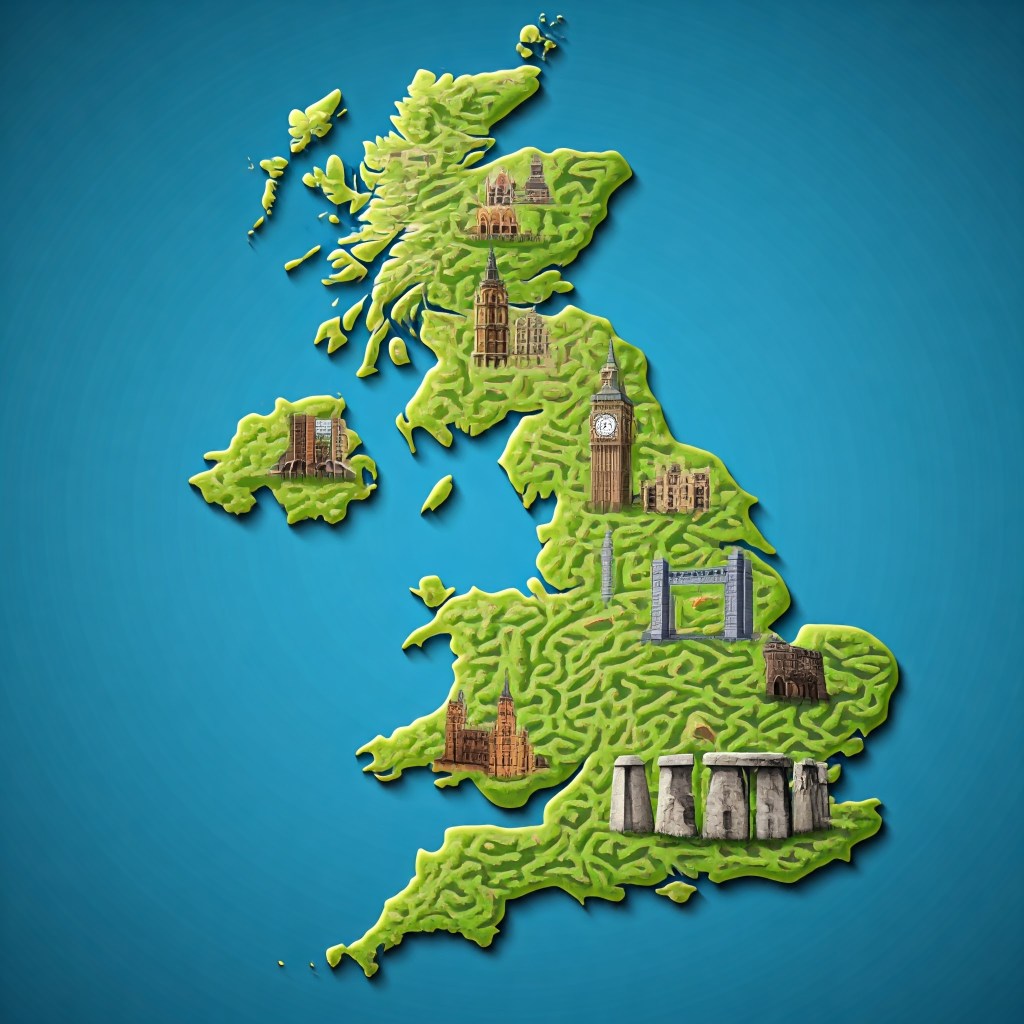
Early Years Foundation Stage (EYFS):
The EYFS is the first stage of formal education in the UK, covering children aged 0-5. It focuses on fostering social, emotional, and cognitive development through play-based learning. Key areas of learning include communication and language, physical development, personal, social, and emotional development, literacy, and mathematics.
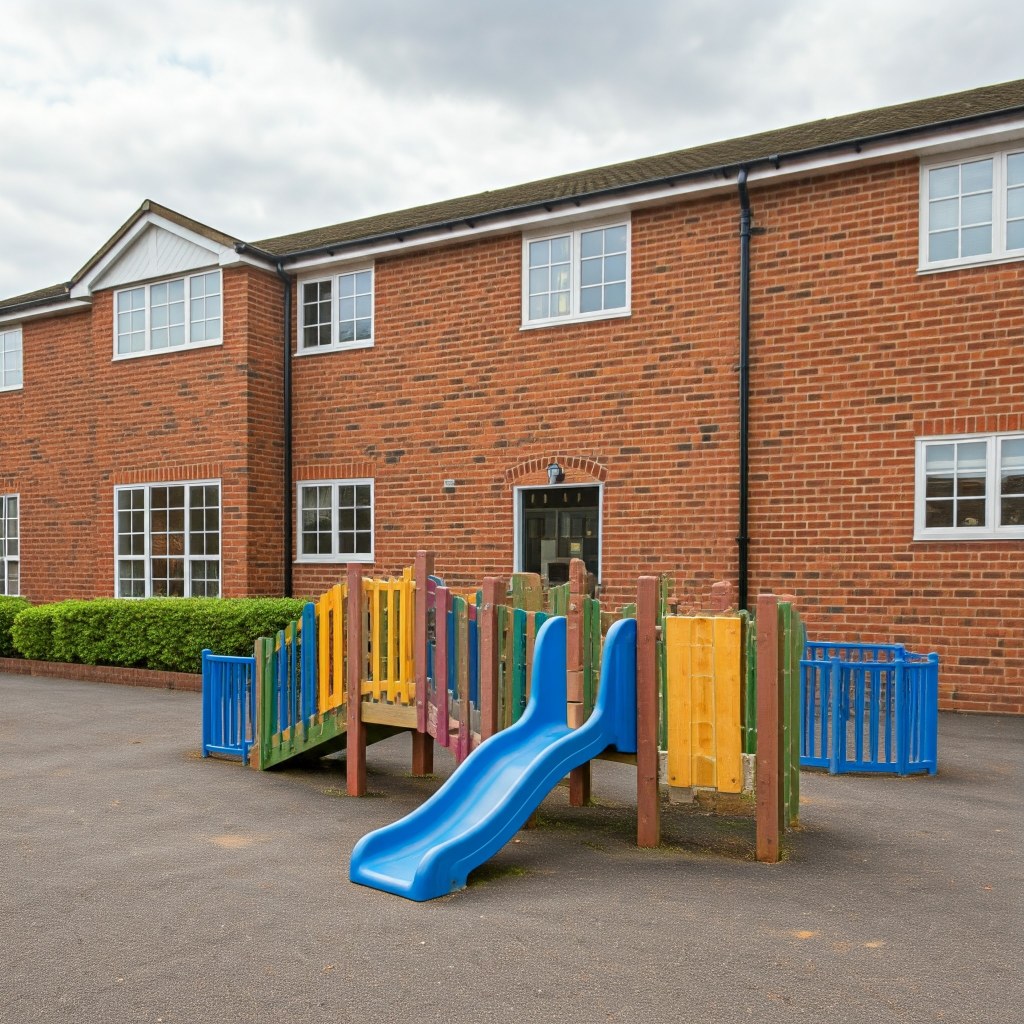
Key Stage 1 (KS1):
KS1 spans ages 5-7 and focuses on developing literacy and numeracy skills. Teachers introduce basic concepts in subjects like science, history, and geography, laying the foundation for future learning.
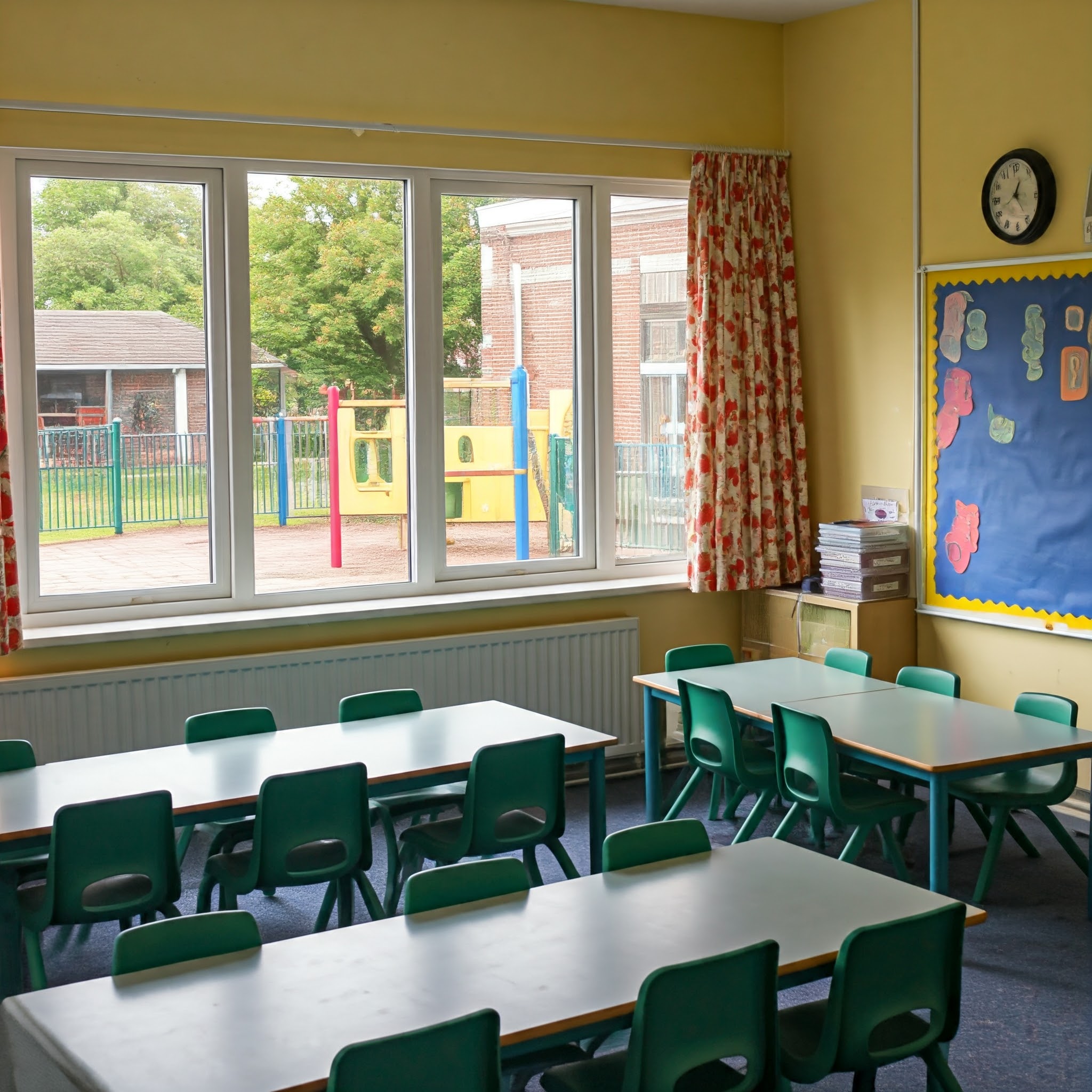
Key Stage 2 (KS2):
KS2, from ages 7-11, builds upon the foundation laid in KS1. Students delve deeper into literacy and numeracy, exploring more complex concepts in subjects like science, history, and geography.
Key Stage 3 (KS3):
KS3, covering ages 11-14, introduces more specialized subjects and prepares students for GCSEs. This stage focuses on expanding the knowledge and skills acquired in previous stages.

GCSEs (General Certificate of Secondary Education):
GCSEs are standardized examinations taken at ages 14-16. They assess students’ knowledge and understanding across a wide range of subjects, including English, mathematics, science, humanities, languages, and vocational subjects.
Sixth Form (College):
Sixth form, typically for ages 16-18, offers students the opportunity to specialize in subjects of their choice through A-levels or vocational qualifications. These qualifications prepare students for higher education or employment.
University:
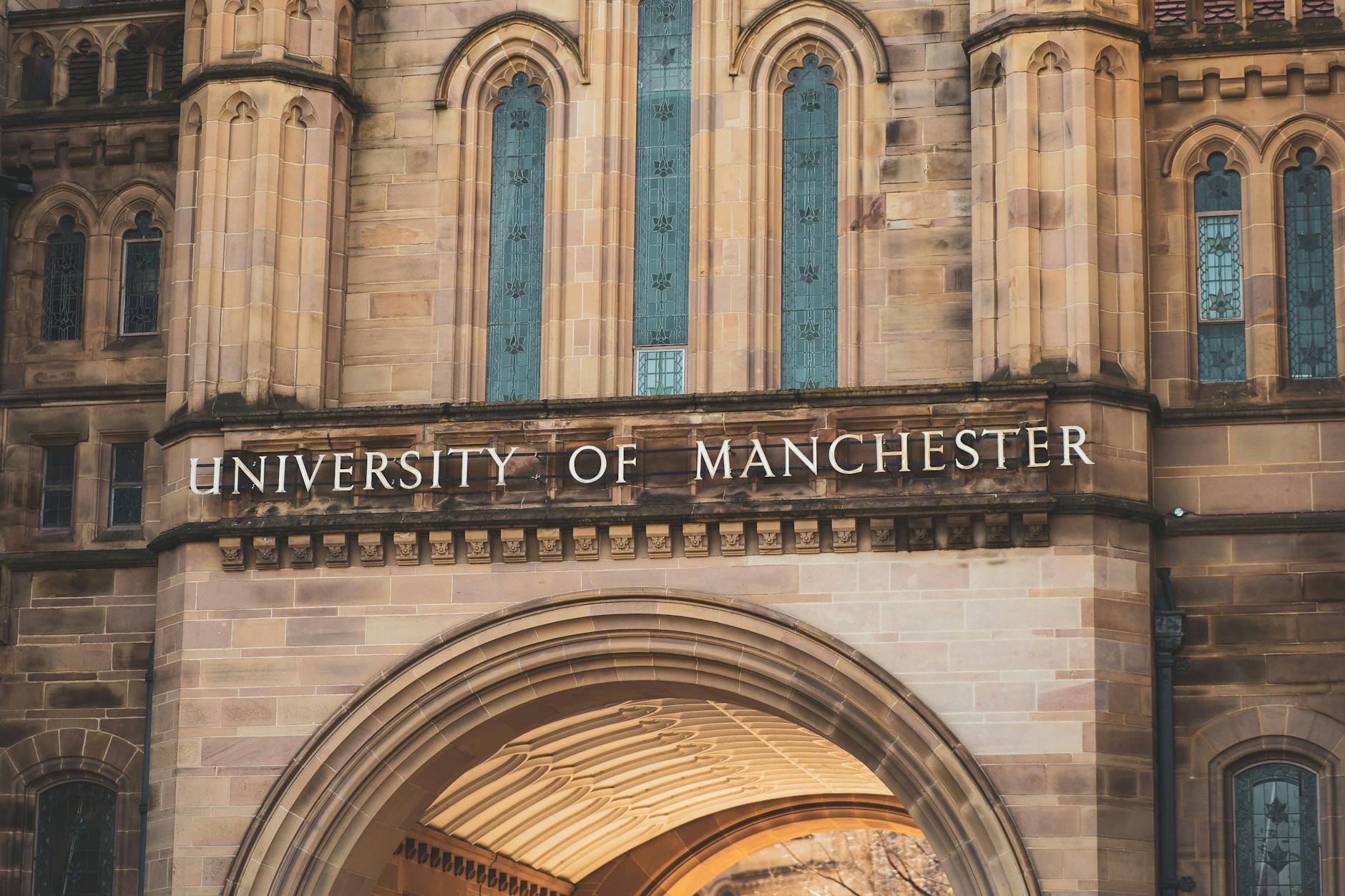
University provides higher education and specialized training in a variety of fields. Students can pursue bachelor’s, master’s, and doctoral degrees.
Important Notes:
• The curriculum and assessment methods may vary slightly between different schools and regions.
• Some students may choose to take vocational qualifications instead of A-levels after KS4.
• There are also options for early years education, such as nursery schools and playgroups, as well as adult education programs.
Parents need to understand these stages and their requirements to effectively support their child’s educational journey and ensure they have the necessary tools to succeed. Tell us in the comments which stage was the hardest for you and your family, I know from my personal experience that GCSE year was quite a rollercoaster.
 Black Learners, Bright Futures